Understanding EU Regulations on Non-Alcoholic Beverages The Essential Guide to Read for Conformity
In the world of beverages and food, ensuring compliance with regulations is more than an obligation of law, but a fundamental aspect of consumer confidence and security. There is a reason why the European Union (EU), is known for its strict rules is a major source of importance on making sure that drinks that are not alcoholic meet the highest standards of quality and safety. This article, which is the initial in our series of articles, aims to unravel the complexities of EU regulations that govern non-alcoholic drinks.
Knowing the EU Framework
The Overview EU Regulatory Organisations
The core of EU rules for non-alcoholic drinks are various key regulatory bodies, each playing a vital role in ensuring that products in the market are and are safe to consumers.
1. It is the European Commission: Often considered to be the executive arm of the EU that is, the European Commission takes charge of making legislation and adopting decisions. When it comes to regulations on food and beverages, the Commission is crucial in setting the framework within the framework that alcohol-free beverages must function within.
2. EFSA (European Food Safety Authority) ):It is an independent agency provides expert scientific advice on safe food and feed for the EU institutions. The expertise of EFSA is vital in assuring the safety of food ingredients and the additives that are used in non-alcoholic beverages.
3. National Authorities: In addition to EU-wide regulations, state members may have their own particular rules. National authorities ensure compliance with EU regulations at a local and national levels.
Illegal Framework
Understanding EU rules on alcohol-free beverages requires knowledge of the legal framework governing the laws. The EU has two major types of law which are directives and regulations.
EU Regulations: These are directly applicable for all members and don’t require separate national legislation. When an EU regulation is approved and becomes law in all member states at once.
EU Directives: Directives, on contrary, lay out the goals member states have to reach. Then it is up to each member state to enact its laws that comply with the directive.
The interplay between EU regulations and the laws of member states can occasionally be confusing, which requires businesses to juggle the vast EU regulations and the specific national laws.
Knowing the legal framework can be a initial step in making sure that you are in the compliance of EU requirements for non-alcoholic beverage.
In the next section we will delve into the specifics of EU regulations, with particular attention paid to specific labeling and ingredient requirements that are vital for companies involved in the drink industry.
Stay with us as we explore the intricacies of ingredient labels and the regulations within the EU for non-alcoholic beverages.
The process of navigating EU Regulations: Labeling and Ingredient Requirements for non-alcoholic beverages
In the last section in this article, we started a journey to unravel the complex web of EU rules governing alcohol-free beverages. Now, let’s dive into the specifics. Our focus will be on labeling and ingredient requirementsaEUR”a vital aspect of compliance for businesses operating in the drink industry.
labeling guidelines
clarity and Transparency
EU regulations are strict when it comes to labeling non-alcoholic drinks. The most important goal is to ensure that consumers receive the most accurate and complete information about the items they purchase. Here are some essential aspects of labeling guidelines:
1. Name of the Beverage: The name should clearly convey the essence of the beverage. False names that can confuse consumers are strongly discouraged.
2. Ingredients List: Non-alcoholic beverages should include a list of ingredients and each ingredient is listed in descending order of weight.
3. For information about allergens, if the drink is a mixture of any of the 14 allergens listed by EU rules (e.g., dairy, nuts or gluten) it must be clearly indicated in the ingredients list.
4. Net Quantity: This is the amount of the beverage needs to be specified in liters, milliliters and centiliters. The weight can be expressed in kilograms grams or milligrams according to the type of product.
5. Best Before/Use By Dates: Non-alcoholic beverages with shelf life of less than 18 months must contain a “use to” date. If they have a longer shelf life should show an “best ahead of” date.
Nutrition Declaration
Recent years have seen EU regulations have mandated non-alcoholic drinks to supply nutrition information per 100ml of the beverage. This includes information about energy value, as well as the quantities of fat, saturates sugars, carbohydrates as well as protein and salt.
Ingredient Requirements
Use of Additives
EU regulations strictly regulate the usage of additives within non-alcoholic beverages. Additives need to be legal as safe for consumption and have a purpose that is technological (e.g., dyes, preservatives).
Natural Mineral Waters
In the case of beverages that are advertised as “natural mineral water,” EU regulations are particularly stringent. These waters must come from well-known sources and meet specific requirements for mineral content as well as purity.
Fruit Juices and Nectars
If a non-alcoholic beverage has nectars or juices made from fruit, it must meet the specified standards of fruit content. For instance, fruit nectars must contain at a minimum of 25% fruit content.
Sweeteners
The usage of sweeteners is monitored to ensure safety and protect consumers’ interests. Labels should clearly show the use of sweeteners.
What’s Next?
As we’ve seen, EU regulations on labeling and ingredient requirements for non-alcoholic beverages are extensive and crafted to protect consumers’ interests. Making sure you are aware of and following these rules is essential for companies operating in this industry.
In the next chapter in the next section, we’ll examine quality and safety standards and explore how EU guidelines ensure alcohol-free beverages meet the highest standards of quality. Join us on this journey to decode the complexity of EU regulations.
Stay with us as we discover the world of safety and quality standards created by EU guidelines for alcohol-free beverages.
Direct Bulk Orders, Unmatched Quality: Discover Swedish Distillers’ Alcohol-Free Spirits!
Security and Quality Standards ensuring the highest quality of non-alcoholic drinks in the EU
In our search for answers to the maze of EU regulations regarding non-alcoholic drinks we’ve found crucial information regarding ingredient requirements and labeling. Now, let’s continue our exploration by delving into the world of quality and safety standardsaEUR”critical aspects that uphold the integrity of these beverages in the European market.
Quality Standards
Water Quality
The water is the primary ingredient in numerous non-alcoholic beverages The quality of the water used in beverages is essential. EU regulations mandate that drinks made with water has to meet strict quality specifications. This ensures that the water’s sources, treatment as well as its transportation do not compromise beverages’ safety or flavor.
Natural Mineral Waters
For beverages labeled as “natural mineral water,” EU regulations are particularly precise. These waters have to be obtained from reliable sources and must meet rigorous requirements in terms of mineral composition and purity. Mineral waters from nature are revered for their unsurpassed quality and distinctive mineral composition. This makes they a valuable asset for the non-alcoholic beverage industry.
Fruit Juice Purity
In drinks that contain fruit juices In beverages that contain fruit juices, the EU is required to adhere to specific fruit content guidelines. For instance, fruit nectars should contain a minimum proportion of fruits to ensure the authenticity and quality of the drink.
Hygiene and Production Methods
Maintaining a perfect hygiene level during the production process is vital. EU regulations require that all facilities involved in beverage production adhere to strict hygiene and safety standards to avoid any contamination of the product and ensure its safety.
Safety Standards
Microbiological Criteria
Microbiological security is a fundamental aspect of producing non-alcoholic beverages. EU regulations provide microbiological guidelines to ensure that drinks are free from harmful microorganisms, which can cause threats to the health of consumers.
Contaminant Limits
To protect consumers’ health, EU regulations define maximum limits for various contaminants in non-alcoholic beverages. These contaminants comprise mycotoxins, heavy metals and residues of pesticides. Stringent monitoring and testing procedures are in place to ensure that the environment is in compliance with these limits.
Additional Safety
Additives in non-alcoholic beverages should be thoroughly evaluated for safety. EU regulations require thorough scientific assessments and risk assessments before additives are permitted for use. This assures that consumers aren’t exposed to risky products.
The Role of Quality Control
Quality control plays a crucial function in ensuring that alcohol-free beverages meet the highest standards of safety and quality. Manufacturers are accountable for the implementation of strict quality control protocols, from the time they source raw materials up to the manufacturing stages.
What’s next?
Quality and safety standards constitute the basis upon which the popularity of non-alcoholic beverages is built in the EU market. In our next article we’ll look into the complex market of packaging and marketing regulations, shedding light on the ways these elements contribute to the overall the compliance landscape.
Stay tuned as we explore the world of packaging and marketing laws, crucial elements of EU compliance for non-alcoholic beverages.
Packaging and Marketing Understanding the EU Regulations for Non-Alcoholic Beverages
As we continue our journey through the intricacies of EU regulations governing non-alcoholic beverages, we find ourselves at a crossroadsaEUR”packaging and marketing. These elements are crucial not only for compliance but also to attract the focus of consumers in an crowded market. Let’s explore the world of packaging and marketing regulations in the European Union.
Packaging Regulations
Material Safety
The EU is determined to ensure that the substances used in beverage packaging will not harm the contents. Manufacturers must abide by strict standards for products like glass, plastics and even metals. This ensures that the packaging doesn’t alter the composition or safety of the beverage.
recycling and sustainable
Environmental sustainability is a growing concern, and the EU encourages environmentally-friendly packaging. Regulations are designed to reduce packaging waste and encourage recycling by setting standards for the use of recyclable packaging materials and reduction of waste from packaging.
Presenting, Labeling and Labeling
Labeling is an important aspect of packaging. EU regulations require specific and precise information on labels, including the ingredient list, the name of the product including nutritional information as well as allergen declarations. These labels assist consumers in making more informed decisions and guarantee transparency.
Marketing Regulations
Truthful Advertising
Non-alcoholic drinks that are promoted in the EU must be guided by the principles of accuracy and truthfulness. All claims in advertisements including health claims or the benefits of ingredients, must be supported by scientific research.
Protecting Minors
Due to the possibility of appealing non-alcoholic drinks to minors marketing efforts must avoid targeting this group of consumers. The EU requires strict guidelines to ensure that advertising does not encourage underage consumption.
Alcohol Imitation
Non-alcoholic beverages should not mimic the appearance or packaging of alcoholic beverages. This avoids confusion among customers and ensures that marketing of these beverages remains clear and clear.
Challenges and Innovative Ideas
Navigating packaging and marketing regulations isn’t easy, but they also present opportunities for innovation. Many companies are embracing sustainable packaging products that conform to both regulatory requirements as well as the preferences of consumers for environmentally-friendly products. Creative marketing strategies that focus on health benefits, as well as distinctive flavor profiles are gaining traction on Europe. EU market.
What’s Next?
The exploration of EU regulations for non-alcoholic drinks wouldn’t be complete without addressing the critical aspect of compliance with these regulations. In the next section, we’ll go in to the strategies and best practices to help businesses to ensure compliance with EU’s stringent standards.
Stay tuned to learn the keys to ensuring compliance with EU regulations for non-alcoholic drinks.
Navigating EU Regulations for Non-Alcoholic Beverages: A Complete Guide
Welcome to the fifth and last chapter of our exhaustive guide on understanding EU regulations regarding non-alcoholic beverages. In this series, we’ve gone through the complex world of regulations governing the production, labeling, safety, and marketing of non-alcoholic beverages within the European Union. In this article’s final installment, we’ll provide a recap of the most important information from each segment and offer final thoughts on the challenges as well as opportunities in this highly controlled sector.
Review of Our Journey
1. Production Standards
In the first article, we examined the production standards that are set by the EU for non-alcoholic drinks. The most important takeaways are:
- High standards of hygiene and safety for manufacturing installations.
- Guidelines to select ingredients and their quality.
- It is vital to comply with the highest residue levels for chemicals and pesticides.
- What is the importance of adhering conforming to Good Manufacturing Practices (GMP) is vital.
Section 2 The Nutritional Information and Labeling
In our next article, we outlined the importance of the correct labeling of food items and nutritional information. Highlights include:
- Correct and clear labeling requirements which include ingredient lists, information on nutrition, as well as allergen declarations.
- The importance of being truthful in advertising and the necessity of scientific evidence to support claims.
- The prohibition against inducing consumers to believe false information.
Part 3: Safety and Quality Assurance
The third article in our series focused on safety and quality assurance. Key points covered:
- Security standards for safety that are strict to prevent contamination and ensure the safety and security of non-alcoholic drinks.
- The importance the role of Hazard Analysis and Critical Control Points (HACCP) in the protection of food safety.
- Monitoring and traceability in order to swiftly discover and solve safety issues.
Section 4: Marketing and Packaging
In the fourth piece we examined the laws relating to marketing and packaging:
- Standardization of the safety of packaging materials that are designed to prevent contamination.
- Insist on recycling and sustainability in packaging.
- Guidelines to ensure honest advertising as well as protection for minors and preventing imitation alcohol.
Challenges and Opportunities
When we are done with our trip through EU rules for non-alcoholic drinks we can see that this industry presents both challenges and opportunities. The difficulties lie in navigating the complex regulatory landscape in order to ensure compliance and accommodating changing consumer demands for eco-friendly and sustainable choices.
However, there are substantial potential opportunities for companies that take on these problems:
-
Innovation: Developing eco-friendly packaging as well as marketing strategies that emphasise health benefits can make you stand out from competitors.
-
Transparency: Complying with labeling and advertising regulations does not just ensure compliance, but also builds confidence.
-
Safe: The importance of safety as well as quality control can help protect your brand’s reputation and protect the consumers.
Conclusion
In this series, we’ve explored through the myriad complexities of EU guidelines for non-alcoholic beverages. From standards for production to packaging marketing, safety, and even packaging Compliance is crucial to success in this industry.
As you navigate through these regulations ensure that you are aware of the fact that they are put in place to protect consumers as well as ensure the best quality standards. Encourage innovation, sustainability and transparency to succeed within the crowded EU market for non-alcoholic beverages.
We thank you for taking our journey to learn. We hope that you’ve gained some valuable insights into the regulatory landscape of non-alcoholic drinks in the EU.
The Recap Of All Articles in this Series
-
1. Production Standards
-
Section 2 Food Labeling and Nutritional Information
-
Chapter 3: Safety and Quality Assurance
-
Section 4: Marketing and Packaging
Continue your quest for success in the field of non-alcoholic drinks and stay current on the most current EU rules and regulations.
Zero Candy Cubes Review: A premium fizz with no Off-Taste?
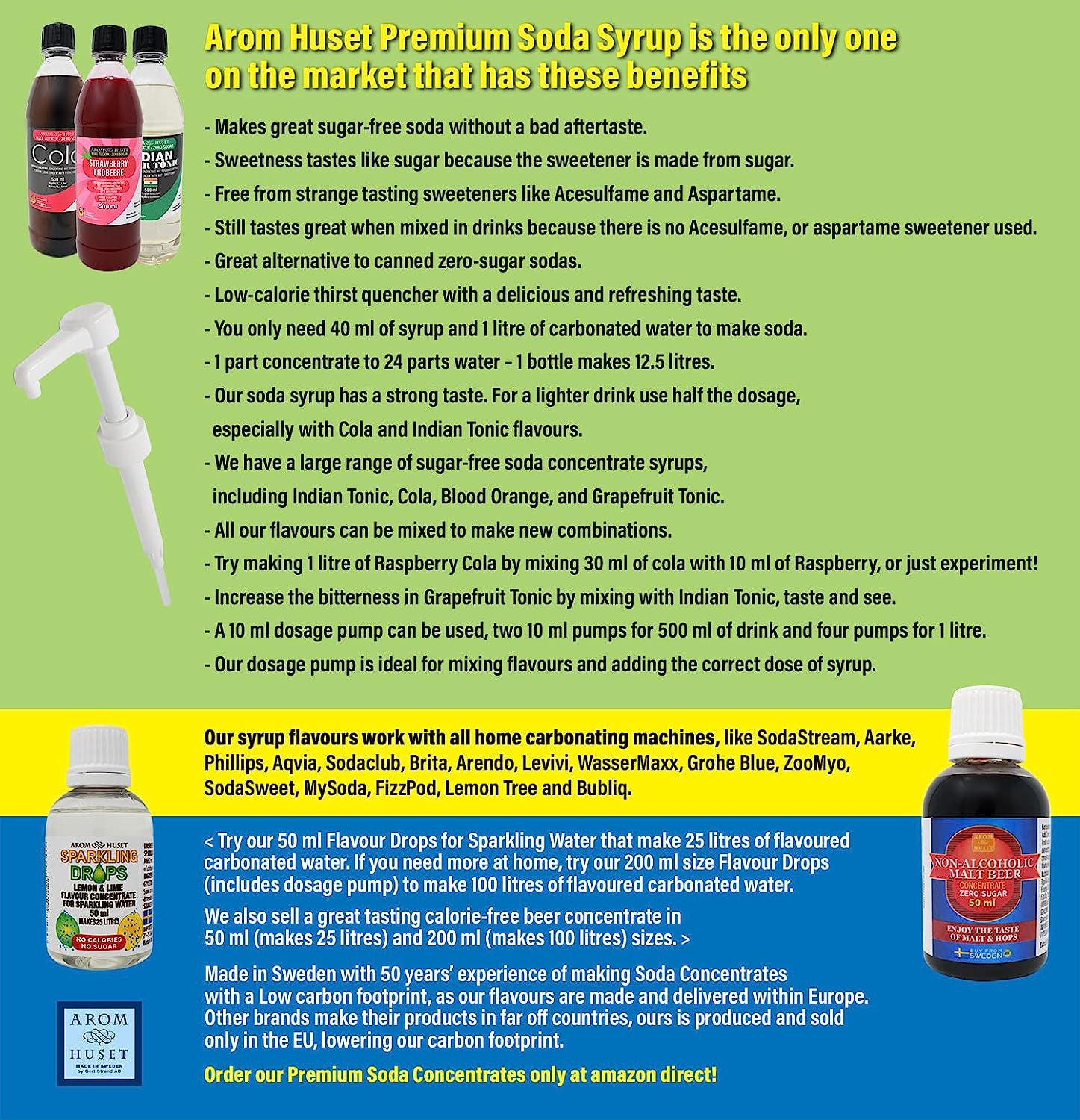
We’ve recently had a chance to test on Aromhuset’s Zero Sodium Candy Cubes Pop Soda Syrup Concentrate. And we can say this is quite an improvement over DIY soft drinks. If you’re looking to become more of a mixologist, or are looking for a healthier option to drink this syrup can be a game-changer.
With just a tiny amount that is concentrated in one liter of fizzy drink We came up with our own sugar-free drinks that are both refreshing and healthy. The range of applications for this product is impressive It’s not just for making sodas, but it can also be creatively added to cocktails, ice creams and baked goods. We loved experimenting with different quantity to come up with the perfect mixture – less for a subtle hint or a little more to get a stronger flavor.

But it’s not all delicious fizzy delight. Though many of us thought the taste was delicious even compared to large-brand sodas, some found the flavor to be a little artificial, with an aftertaste which lasted a little long. Given the cost the price may be a bit excessive for some, particularly when the syrup can be made at home. However, if your preference is to alter the sweetness of your soda and prefer the convenience being able to mix a range of drinks from one bottle, it’s an investment for your pantry we found worthwhile to make.
The Bottom Line
The Zero Sugar Cubes from Aromhuset is a amazing addition to anyone interested on a personalized soda experience or wanting to cut down the amount of sugar consumed. With the capability to whip more than 12 litres of soda from the same bottle, it’s practical and fun.
An enticing overview of Zero Sugar Candy Cubes and Pop Soda Syrup
Recently, we got to taste the Zero Cubes syrup by Aromhuset and it’s a revolution in soda making at home. One of the most intriguing aspects is how it simplifies creating a refreshing beverage. With just a swirl of this syrup dissolved in carbonated water and we’ve created a delicious soda that’s delicious and vegan.
The syrup is incredibly versatile, and it’s not just limited in drinks. We’ve discovered it’s an ideal addition to food items. It gives delicious flavour to homemade ice cream and baked desserts. Its sugar-free nature and as well as sweetened with Sucralose is a great preferred choice for people who are concerned about their health.
Absolutely, the possibility of making 12.5 2 litres with just one bottle means that this syrup has great value. While the flavor might not be as good as the brands of the past, it comes incredibly close to the original taste, even without the sugar. Its variety of flavors means you can find something everyone will appreciate. While some may find this flavour a bit artificial For us, enjoying the flexibility of changing the strength to suit our preferences exceeded the drawbacks, making it a worthy addition to our pantry.
Inexpensive Homemade Beverage Creation
Creating delicious homemade drinks is easier than ever. Our passion for fizz to the next height with Aromhuset’s Zero Candy Cubes. It’s been a delight to transform plain carbonated water into a selection of sugar-free soft drinking inside our kitchen. With just forty milliliters of syrup, 1 litre of fizzy drink changes into a heavenly drink filled with that rich aroma as well as wonderful taste we’ve all come to love.
This syrup isn’t only about quenching thirst, but about making the perfect drink for any moment. No matter if we’re mixing cocktails, or looking for a refreshing soda alternative This syrup is able to do the trick. We’ve also tried using lesser syrup than what’s recommended for the slightest sweetness, but the result is delicious!
But, there aren’t everything sugar-free. We all love the familiar taste of cola, our acquaintances noticed an artificial taste after tasting certain flavors like Blood Orange. With the amount you can drink from a bottle, we believe Blood Orange is an excellent value especially for those seeking alternatives that are vegan and diabetic friendly.
In all, Aromhuset’s liqueur allows you to customize your drink in a breeze. Do not buy store-bought bottles – it’s time to DIY your drink-days!
The Joys of Sugar-Free Indulgence
We’ve stumbled across a gem for those sweet-tooth moments It’s a great alternative to the guilt! Anromhuset’s zero sugar candy Cubes make preparing a fizzy drink not just entertaining, but extremely simple. We added 40ml of this enchanting drink into our sparkling water, gave it a swirl and voila! refreshing drink that has a luscious aroma, and all while cutting back on calories.
The sugar-free syrup made by Aromhuset didn’t disappoint us by its flavor. It’s even sweet thanks to Sucralose. And, even better, it’s sugar-free which means you can indulge without the sugar spikes. The range of applications for the syrup led us to try it with it beyond drinks. We’ve used it in an ice cream recipe and even baking and it’s always delicious.
An issue of contention was that not all flavours received the same amount of praise. Many of us found the Blood Orange flavour a tad bitter, but taste is subjective doesn’t it? In contrast, many users compared the cola taste to that of big-brand diet coke, which is a huge win in our book. In addition, with the amount of syrup available – one bottle is 12.5 L litres – we’re set for quite some time.
A suggestion from our side that adjusting the ratio of water to syrup may be a good idea if are finding the sweetness to be too strong. Have fun finding your perfect mix!
Multi-Purpose Flavour for Culinary Adventures
We’ve just had the privilege to taste Aromhuset’s Zero Cubes. We can’t expect to showcase the power of this syrup. The pure candy pop flavour can be used to make a delicious sugar-free soft drink, but it can also be a delicious flavor enhancer in various food items. Imagine spreading it on frozen ice cream or mixing it into your homemade jams; the possibilities are thrilling.
It’s not difficult to mix truly delicious long drinks using whisky, brandy or even bitters.
It’s easy to use – mixing 40mls of the syrup carbonated water will give you a taste so indulgent, we couldn’t taste the sugar at all. In the case of those who monitor our calorie intake or catering to specific diets, it’s an incredible experience, as it contains a mere 5 kcal per 100ml serving as well as its vegan and vegetarian credentials.
The taste however will vary. While it makes you think of the memories of a trip into the past with traditional soda flavors, a portion of us thought the taste could be a little synthetic when compared to conventional sodas. For a home-brewed concoction It’s remarkable close to the original and unquestionably refreshing.
This Swedish sweet is a great value and is also a great value. After all, 500ml of syrup transforms into a whopping 12.5 litres of fizzy drinks. Also, from our foodie adventures to satisfying cravings for soda Aromhuset’s Concentrate has become a staple in our culinary arsenal.
Extraordinary Value for the Money
We’ve found this Zero-Sugar Candy Cubes soda syrup to very affordable. Imagine the convenience as well as savings we will get in just a 500ml bottle. It whips up a whopping 12.5 Liters of sugar-free refreshments and is a great choice for those who are health conscious or anyone looking to sip at a treat without guilt. It’s also a great choice for those of us who monitor the amount we spend, since homemade fizzy drinks tend to be better for our wallets in comparison to bottles or cans purchased from stores.
There was certainly an occasional discussion among reviewers concerning taste preferences, but honestly, the versatility of this syrup wins out. Be it for an iced lolli or jazzing up a cocktail it’s great for enthusiasts who love some DIY magic. We must admit that being able tweak the sweetness to fit our preferences is an absolute plus particularly when a smaller amount does the trick given its sourness.
There was not every sip a people-pleasing experience, and there were a few critics. However, a significant amount of us were to tears by the taste and ease. It’s a great alternative when the real deal isn’t at hand, and to the point, price per liter makes us raise our glasses with a cheery celebration of value!
Positives and Negatives
Having just tried out the latest Aromhuset Zero sugar Candy Cubes, we’ve come upon a few points that can be distinguished in both positive and negative light. This experience could give you a new perspective should you be contemplating the sugar-free experience.
Strengths and Weaknesses
- The Taste: Though we loved the flavor, opinions vary on whether some people find the flavor distinct in comparison to the typical sodas.
- Mixing the Right Way: Getting the mix just right is essential. Otherwise it will taste too strong or too weak. We had to experiment little to find our perfect balance.
- A sour aftertaste It’s fair to admit We all get a synthetic aftertaste which may not be everybody’s cup of tea.
- Flavour A variety of flavors Though it’s available in various flavors, not all do the trick. It takes a bit of testing and experimenting to find the one that sits well with our taste.
- Price: You may find the initial expense a some expensive in comparison to conventional soft drinks. However, considering the amount it creates our opinion is that it could be worth it at the final.
- Candy Cubes soda offers a unique candy-flavored experience that may not go with your initial expectations and isn’t suitable for everyone’s tastes.
- It is unique as an exclusive soda on market with this unique candy taste.
Our time with it was a fizzy adventure, and we’d recommend giving it a chance if it’s a healthier, customizable soda alternative. You might uncover your new preferred refreshment!
Original Customer Testimonials
In our time experimenting with this syrup, it’s become apparent that getting the mixture just right is essential to enjoy a great glass. Many of us noticed an amount that was slightly less than recommended amount hits that sweet area, producing a flavor similar to the taste of brand-name diet drinks. One user even mentioned it was capable of standing and compete with the “big brand” which is a compliment in the sense of it!
There’s more to it than music being played, but some are expressing their frustrations to find the right balance with a taste that is synthetic when the drinks are not mixed properly. There’s also a brief mention of this Blood Orange variety not living up the expectations because of its strong artificiality, indicating there are other flavors that could be a better selection.
Cost is an option too. Although some people appreciate the value, others felt that the price wasn’t in line with their experience, particularly when the desired “tonic’ taste was absent. Yet, we’re amazed how many people are looking for sugar-free alternatives With one of us looking back at the soft drinks of the 1980s and accepting this new take on.
In our experience, it’s clear that this particular syrup can be quite popular and provides a nostalgic, healthy treat when the mix is right. It’s all about personalizing the drink and, since it seems to be the case for most, it’s worth experimenting to discover the perfect home-made pleasure.
Conclusion
We’ve had the pleasure of trying the Aromhuset’s Zero Sugar Candy Cubes and it’s safe for us to say this is a game changer for consumers of soda with sugar issues. Imagine the excitement of sipping down a delicious, bubbly soda with no guilt! There’s a buzz among the consumers that it’s the perfect drink for the people who enjoy mixing up their own preference. We’ve found that a bit lower amount of syrup than is recommended is just right for sweetening for a flavor similar to mainstream diet sodas but without the sugar!
However, not every bottle is perfect bubbly. We did notice that the taste drifted towards the artificial side, particularly the Blood Orange variant which had an aftertaste that did not make everyone happy. Also, it’s not the best syrup with its price, but when you consider that it’s made up about 12.5 litres of soft drinks and we believe it’s worth paying for the extra cost.
And lastly, watching a handful of friends drink a glass while not noticing the sugar-free swaperoo confirms that Aromhuset is on the right track. It’s not your typical taste of cola – but then again, when did us ever give up on average? Happy healthier drinking!
Frequently Asked Questions
Sure, we’ve had lots of fun trying out the myriad of concoctions one can make with Zero Candy Cubes! Now, let’s dive into your most burning questions that you might have about this amazing product.
What tantalising flavours can one think of when consuming an Zero Candy Bar?
For a classic tasting test, we found that each shot of syrup will give you a similar taste to the classic soda flavors. What’s more interesting is that it’s specifically designed to be vegan and diabetic-friendly!
Could you divulge the calorie in a single Zero candy bar to those of us who track our sweets?
Certainly! Calorie counters can relax because of this. You’re only getting 5 kcal for each 100ml serving. It’s a dream come true for all of us who are trying to keep those unhealthy calories under control.
What are the delicious ingredients in the ingredients of a Zero sugary bar?
This is an area where Zero Candy Cubes genuinely shines. The syrup is sugar-free, because of Sucralose. In addition, it’s made using natural flavorings that make it a good choice for a variety different dietary requirements. This includes vegan.
There are numerous discussions on what makes Zero Candy cubes so exceptional. Then, you’ve got an details – every drink is a blast of nostalgia but without the calories and sugar!