alcohol-free liquor
Designing the Perfect Alcohol-Free Mocktails A Fun Journey
In recent time, the world beverages has experienced a stunning change. The days are gone when people who didn’t drink had to settle for basic soft drinks or basic water while their pals had cocktails and spirits. The rise of alcohol-free mocktails hasn’t just filled in the gaps, but has added flavor, innovation, and excitement into the world of non-alcoholic beverages. This is the beginning for our series we’ll look into the fascinating world of alcohol-free mocktails, and investigate the reasons for which they have become the life of the party.
The Mocktail Revolution
Mocktails are a clever combination from “mock” as well as “cocktail,” represent a revolution in the way that we think about non-alcoholic drinks. These delicious cocktails capture taste of classic cocktails but without having a drop of alcohol. Although mocktails have been around for some time but their popularity is exploding in recent years, thanks to the growing demand for sophisticated, alcohol-free alternatives.
What is you’re in the Craze?
Mocktails have not become the latest trend to hit the market; they’re in the making. There are a variety of factors that contribute to their ever-growing popularity:
-
Healthy Consciousness With the growing awareness of the health risks associated with alcohol, many people are opting for healthier choices. Cocktails can be guilt-free without compromising on the taste.
-
Inclusion in a society where we value inclusion the mocktails are a way to ensure that everyone regardless of preferences in drinking, can be included in the celebration. They can bridge the gap between alcohol drinkers and non-drinkers in social gatherings.
-
Creative Expression: Crafting a mocktail can be described as an artistic form. It gives mixologists and drink enthusiasts to play around with flavors as well as colors and garnishes and produce visually gorgeous and tasty drinks.
-
Diverse Ingredients The array of ingredients used in mocktail making is staggering. Fresh herbs, fruits, syrups, and spices can open up an array of possibilities to create unique and interesting flavor profiles.
-
Zero hangover: A very appealing aspects of mocktails is their absence of a hangover. Drinking these drinks all night long without waking up with a headache that is pounding.
The Mocktail Appeal
What’s the reason why mocktails are so appealing? Let’s delve into the main factors that explain why these alcohol-free drinks have caught the eyes and taste the taste buds of numerous people:
Flavorful Bliss
Mocktails are all about flavor explosions. They provide a variety of flavors, ranging from tangy and bright to sweet and refreshing. When you’re craving something tangy, fruity or herbal, or spicy There’s a cocktail recipe to please your taste buds.
Visual Elegance
What you present is vital, and mocktails are a great way to enhance the aesthetics. These drinks are typically served with fresh fruit, flowers, and colorful straws. The vibrant colors and imaginative options for garnishes makes them a treat for the eyes.
Versatile Delights
Mocktails are incredibly versatile. They can be customized for any occasion from casual hangouts to formal gatherings. There are mocktails that can be enjoyed at brunch, mocktails that are suitable for events, and even mocktails that complement your favorite meals.
Inclusive Cheers
With mocktails in hand everyone isn’t excluded. They create a welcoming atmosphere where everyone is able to participate in the fun. Mocktails promote lively discussions and shared experiences with no need for alcohol.
Through our exploration of this world full of alcohol-free cocktails, we’ll explore everything from essential cocktails-making tools to mouthwatering dishes that will elevate your beverage game. We hope you’ll join us on this delightful journey. In the next segment we’ll get deeper into the essentials of crafting the perfect mocktail.
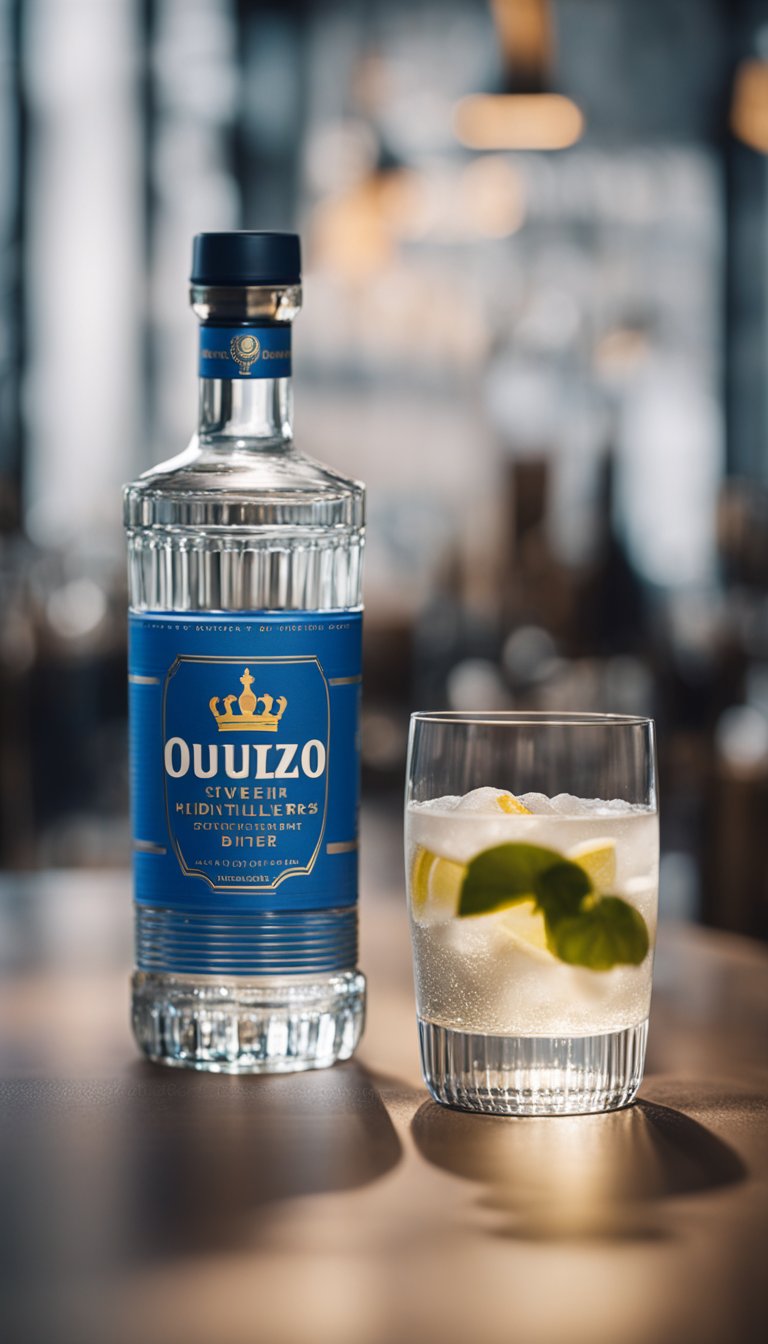
Making the perfect alcohol-free mocktail: Essential Tools and Ingredients
We are back on our way through the world of alcohol-free mocktails. In this article we’ll discuss the necessary tools and ingredients required to create the delicious drinks that are visually stunning but also packed with flavor. Let’s join hands and start a new culinary adventure!
It is the Mocktail Maker’s Arsenal
Much like a painter needs brushes and a canvas, a lover of mocktails needs specific tools and ingredients in order to create an ideal drink. Let’s take a closer take a look at what’s in the mocktail maker’s arsenal:
1. Glassware
The choice of the best glass for the mocktail you are planning to serve is crucial for the best presentation. Different glass types serve different purposes:
- Highball Glass: Great for tall and refreshing mocktails like Shirley Temple, the Virgin Mojito or Shirley Temple.
- Cocktail Glass (Martini Glass) Ideal for serving elegant and elegant mocktails.
- Mason Jar This gives an elegant and casual touch to your drinks, perfect for outdoor gatherings.
- Coupette Glass: Excellent for serving smaller and stronger mocktails.
2. Shaker
An cocktail shaker becomes essential when making mocktails, which require mixing. It’s especially helpful when you must mix several ingredients such as syrups, juices, and the addition of ice.
3. Muddler
A mudler is an instrument for bartending that is used to crush fruits, spices, or herbs to release their flavours. It’s perfect for mocktails that are made with muddled drinks like such as the Virgin Mojito or Raspberry Smash.
4. Jigger
A jigger is a measuring tool that can ensure accuracy in creating your cocktails. It helps you get just the right amount of ingredients, balancing flavors perfectly.
5. Bar Spoon
A long-handled bar spoon is useful for stirring cocktails without disturbing the ingredients’ layers. It’s particularly useful for layering or mixed mocktails.
6. Ice
Ice is a fundamental element in a wide variety of mocktails. You’ll need an ice maker or ice tray ready to keep your mocktails cool and refreshing.
Principal Ingredients in Mocktail Magic
Once you’ve mastered the tools you’ll need, let’s dive into the primary ingredients that are the basis of mocktail making:
1. Fresh Fruits
Fresh fruits are the main ingredient of many mocktail recipes. They provide natural sweetness, tanginess, and vibrant colors. Some popular choices include:
- Citrus Fruits: Lemons, limes, oranges, and grapefruits are the preferred choices for zesty flavor and refreshing acidity.
- Berries: Strawberries, raspberries and blueberries and blackberries are a great source of sweetness and a burst of color.
- Tropical Fruits Pineapples, mangoes and passionfruits add the tropical flavor of your mocktails.
2. Fruit Juices
Fruit juices can be used as the basis for many mocktails. Consider having a variety of juices at hand for example, orange, the cranberry, pineapple, and the pomegranate to create a variety of flavor profiles.
3. Herbs and spices
Fresh herbs and fresh spices improve the aroma and flavor of mocktails. Mint Basil, rosemary and cinnamon are popular choices as garnishes for mocktails and infusions.
4. Syrups and Sweeteners
To bring sweetness and depth into your mocktails syrups and sweeteners such as simple syrup, the nectar of honey, and grenadine can be used.
5. Soda Water
Soda water or sparkling water adds a sparkle and a refreshing component to mocktails. It’s the primary ingredient in classic cocktails such as for example the Virgin Mojito and Virgin Pina Colada.
6. Bitters
Bitters are concentrated extracts of flavor which can be used sparingly to improve the taste of mocktails. A few drops of fruit or aromatic bitters are a great way to enhance the flavor.
Sourcing Fresh Ingredients
To enjoy the most enjoyable mocktail make sure you source high-quality and fresh ingredients. Visit your local farmers’ market or supermarket for the freshest fruits fresh herbs, juices, and other ingredients. Make sure to use fresh ingredients as they can add a lot of the flavor.
In the second section in the next segment, we’ll get working and create some mouthwatering mocktail recipes. We’ll take a look at classics and innovative recipes that will delight your guests and tantalize your taste palate. So, keep an eye out for a sip-worthy adventure!
Wholesale Redefined: Get Your Alcohol-Free Spirits Direct from Swedish Distillers!
How to master the Art of Crafting Mocktails: Classic and Innovative Recipes
Welcome to the thrilling world of mocktail creation, where we delve into the foundation of mixology with not a drop of alcohol. In this section, you’ll discover traditional and innovative mocktail recipes that will excite your senses and please your guests. If you’re throwing a party in the sun, relaxing at the pool or just craving some refreshing and flavorful drink These mocktails will have the job done.
A classic Mocktail Recipes
1. Virgin Mojito
Ingredients:
- Fresh mint leaves
- Lime wedges
- 2 tablespoons of sugar or simple syrup
- Soda water
- Crushed ice
Instructions:
- Mix mint leaves and lime wedges with simple syrup or sugar in the glass.
- Fill the glass with crushed ice.
- Serve it with soda water, and stir it gently.
- Garnish with a mint sprig or one lime wedge.
2. Virgin Pina Colada
Ingredients:
- 1 cup juice made from pineapple
- 1/2 cup of coconut cream
- Crushed ice
Instructions:
- Blend pineapple juice, coconut milk, as well as crushed ice to make it is smooth.
- Pour the drink into the glass of chilled.
- Serve with a slice of pineapple and a maraschino cherry.
Creative Mocktail Creations
3. Berry Bliss
Ingredients:
- 1 cup mixed of berries (strawberries blueberries and raspberries)
- 2 tablespoons of sugar or 2 tablespoons of agave nectar
- Lemon juice
- Soda water
- Crushed Ice
Instructions:
- Mix mixed berries together with honey or agave syrup and a squeeze of lemon juice.
- Strain into a glass topped with crushed frozen ice.
- Then top it off with soda water and give it a good stir.
- Serve it with lemon juice and a few berries.
4. Cucumber Cooler
Ingredients:
- 4 to 5 cucumber slices
- 2-3 basil leaves
- 1/2 lime to juice
- 1.25 tablespoons of basic syrup
- Soda water
- Crushed ice
Instructions:
- Mix pieces of cucumber and basil leaves in a glass, along with lime juice and simple syrup.
- Fill the glass with crushed glass ice.
- Top it up with soda water and stir gently.
- Garnish with a cucumber slice and an herb sprig of basil.
Tips to Master Mocktail
- Experiment with ingredients Don’t be afraid to explore your creativity and try different herbs, fruits, and spices to create distinctive flavour profiles.
- Presentation is important: Garnish your mocktails with fresh fruit slices, herbs or colorful straws to make them visually appealing.
- Blending Act Balance Act: Find the perfect balance between sweet bitter, sour and sweet flavor by adjusting the quantity of ingredients.
Coming Soon: Mocktail Garnishes and Glassware
In the next part next section, we’ll go over the art of garnishing mocktails, and the importance of selecting the perfect glassware to make that perfect presentation. You’ll learn how to take your mocktail making skills to a new level by using these basic techniques and tips.
So when you’re sipping a classic Virgin Mojito or indulging in the fruity delights of Berry Bliss Mocktail making can be a great way to enjoy delicious flavors and not having to reach to drink alcohol. Stay tuned to see more of the magic of mocktails!
The Art of Crafting Mocktails: Mocktail Garnishes as well as Glassware
We’re back on our way through the world of mocktail creation. In this part we’ll look at the art of mocktail garnishes. We’ll also discuss the importance of choosing the best glassware. These final touches can elevate your mocktail to exceptional, ensuring that the drinks taste wonderful but also look gorgeous.
Enhance Your Mocktail by using Garnishes
The garnishes for mocktails play an important role in enhancing both the flavor and presentation that your drink. Here are some suggestions for garnishing that will impress your guests:
1. Citrus Zest
A twist of lemon, lime or orange zest can add the fresh citrus scent and a slight flavor to your mocktail. Make use of a citrus peeler to create long, elegant twists.
2. Herb Sprigs
Fresh herb sprigs like mint, basil or rosemary can not only provide a pleasant scent, but also complement the flavors in your drink. Simply place the herbs between your hands to release their essential oils prior to garnishing.
3. Fruit Slices
Thin slices of fruit, such as lime, lemon, or strawberry, are not only appealing visually but make your mocktail more flavorful by adding delicate fruity flavors.
4. Edible Flowers
Beautiful edible flowers such as violets or pansies can transform your mocktail into a work of art. You must ensure that the flowers are safe to consume and free of pesticides.
5. Umbrella Straws with Colorful Straws and Picks
To add a splash of the fun and excitement, try mini umbrellas, bright straws or swizzle sticks. These are ideal to make mocktails inspired by tropical areas.
The Function of Glassware
The glassware you choose to use can dramatically affect the overall experience for your mocktail. Here are some of the most popular glassware options and when to employ them:
1. Highball Glass
Great for: Mocktails with an increased ratio of mix to spirit, for example Virgin Mojito or Virgin Pina Colada.
Why The tall and small shape of the highball glass allows for plenty of ice. This keeps your drink cold. Additionally, it’s great for drinks that are served with tonic or soda.
2. “Rocks” Glass (Old Fashioned Glass)
Perfect for: Mocktails serving “on the rocks,” in other words, on top of cold ice, for example for example, the Cucumber Cooler.
Why These smaller, more robust glasses are designed to serve drinks with a minimum of mixers and plenty of Ice.
3. Cocktail Glass (Martini Glass)
Ideal for: Elegant and upscale mocktails, such as that of Berry Bliss.
Why The well-known cocktail glass with its broad shallow bowl is great for drinks that are shaken or stirred and not served over ice.
The Garnishing Pro Tip
- Preparation Get your garnishes ready in advance, so they’re ready to go when making mocktails for your guests.
- Serving: Place garnishes gently on top of the mocktail. Or, use cocktail skewers to ensure they remain in place.
- Balance: Consider the balance between the drink and the garnish The goal is not for the garnish to overpower the flavor.
Coming Up Next: Essential Mocktail Tools
In the next section, we’ll delve into some of the essential tools that every enthusiast needs at their disposal. From shakers and muddlers to a shaker, these tools can help make your mocktail crafting more efficient. Keep an eye out for more tips and tricks to elevate your mocktail skills.

This is the Mocktail Masterclass Series: Crafting Non-Alcoholic Discos
Welcome to the final article part of our Mocktail Masterclass series! Over the course of our four articles we’ve taken a deeper dive into the art of making delicious mocktails. From selecting the finest ingredients to perfecting your garnishes drinking glasses to preparing them, we’ve covered it everything. In this concluding chapter Let’s look back on our journey and give you some concluding thoughts on the subject of mocktail making.
Recap of Our Mocktail Journey
Part 1: The Mocktail Renaissance
In our very first article, “The Mocktail Renaissance: Elevating Non-Alcoholic Mixology,” we explored the resurgence of mocktails in the current culinary landscape. It was a good idea to consider:
- The demand is growing for non-alcoholic options.
- The creative possibilities of mocktail ingredients.
- Balance and the flavor profile.
Section 2 Mixing Magic: Making the Perfect Base
In the second part, “Mixing Magic: Crafting the Perfect Mocktail Base,” we explored the essential elements of mocktails. These include:
- Syrups, fruit purees or juices, as base ingredients.
- Innovating and creating unique flavors.
- The balance between sweet, sour and bitter ingredients.
Section 3: Mastering the Art of Mocktail Garnishes
Our third article “Mastering your art mocktail garnishes and glassware” was focused on aromatic and visual qualities of mocktails.
- Garnishing ideas and techniques, from citrus zest to edible flowers.
- Choosing the right glassware is essential for the perfect presentation.
- Tips to improve your garnish game.
Section 4: Shaking It Up: Most important Mocktail Tools
In the penultimate article, “Shaking It Up: Essential Mocktail Tools and Techniques,” we explored the tools and abilities needed to be a master of mocktails:
- A must-have tool for creating mocktails.
- Shaking, stirring, and muddling techniques.
- Recipes for classic mocktails for you to test your abilities.
Final: Cheers to Your Mocktail Journey!
As we come to the end of this Mocktail Masterclass series, we hope you’ve gained the confidence to start your own mocktail-making adventures. Making mocktails involves more than just mixing ingredients; it’s an art form that lets people to express their imagination, cater to diverse tastes and provide a welcoming drinking experience for all.
Whether you’re a seasoned mixologist or are a newbie, the world of mocktails is filled with an endless array of options. You can explore different flavors and surprise your taste buds and share tasty mixed drinks, which are alcohol-free, with your friends and your family.
This is the perfect time to begin your mocktail journey! Your creations will always be delightful, your garnishes exquisite, and your glassware impeccable. When you’re hosting a special event or just sitting back and enjoying your evening they can help to enhance any time.
Stay on the lookout for more
As we approach the conclusion the Mocktail Masterclass series, we have more fun content in the pipeline for you. From cocktail suggestions to culinary explorations We’ll keep providing invaluable insights and suggestions to help you plan your drink and culinary excursions.
Thank you for coming along on this delicious journey. Keep creating, experiment and drink those fantastic mocktails!
Understanding EU Regulations on Non-Alcoholic Beverages The Essential Guide to Read for Conformity
In the world of beverages and food, ensuring compliance with regulations is more than an obligation of law, but a fundamental aspect of consumer confidence and security. There is a reason why the European Union (EU), is known for its strict rules is a major source of importance on making sure that drinks that are not alcoholic meet the highest standards of quality and safety. This article, which is the initial in our series of articles, aims to unravel the complexities of EU regulations that govern non-alcoholic drinks.
Knowing the EU Framework
The Overview EU Regulatory Organisations
The core of EU rules for non-alcoholic drinks are various key regulatory bodies, each playing a vital role in ensuring that products in the market are and are safe to consumers.
1. It is the European Commission: Often considered to be the executive arm of the EU that is, the European Commission takes charge of making legislation and adopting decisions. When it comes to regulations on food and beverages, the Commission is crucial in setting the framework within the framework that alcohol-free beverages must function within.
2. EFSA (European Food Safety Authority) ):It is an independent agency provides expert scientific advice on safe food and feed for the EU institutions. The expertise of EFSA is vital in assuring the safety of food ingredients and the additives that are used in non-alcoholic beverages.
3. National Authorities: In addition to EU-wide regulations, state members may have their own particular rules. National authorities ensure compliance with EU regulations at a local and national levels.
Illegal Framework
Understanding EU rules on alcohol-free beverages requires knowledge of the legal framework governing the laws. The EU has two major types of law which are directives and regulations.
EU Regulations: These are directly applicable for all members and don’t require separate national legislation. When an EU regulation is approved and becomes law in all member states at once.
EU Directives: Directives, on contrary, lay out the goals member states have to reach. Then it is up to each member state to enact its laws that comply with the directive.
The interplay between EU regulations and the laws of member states can occasionally be confusing, which requires businesses to juggle the vast EU regulations and the specific national laws.
Knowing the legal framework can be a initial step in making sure that you are in the compliance of EU requirements for non-alcoholic beverage.
In the next section we will delve into the specifics of EU regulations, with particular attention paid to specific labeling and ingredient requirements that are vital for companies involved in the drink industry.
Stay with us as we explore the intricacies of ingredient labels and the regulations within the EU for non-alcoholic beverages.
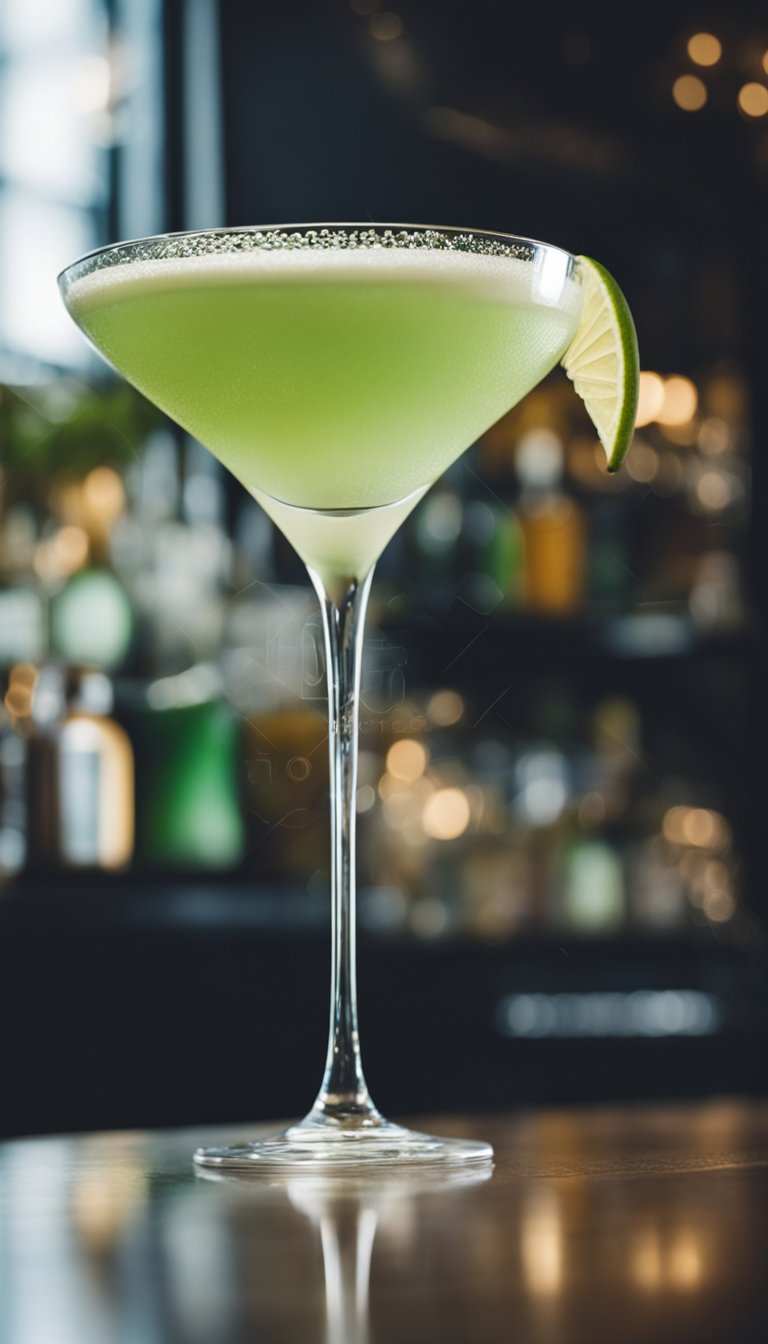
The process of navigating EU Regulations: Labeling and Ingredient Requirements for non-alcoholic beverages
In the last section in this article, we started a journey to unravel the complex web of EU rules governing alcohol-free beverages. Now, let’s dive into the specifics. Our focus will be on labeling and ingredient requirementsaEUR”a vital aspect of compliance for businesses operating in the drink industry.
labeling guidelines
clarity and Transparency
EU regulations are strict when it comes to labeling non-alcoholic drinks. The most important goal is to ensure that consumers receive the most accurate and complete information about the items they purchase. Here are some essential aspects of labeling guidelines:
1. Name of the Beverage: The name should clearly convey the essence of the beverage. False names that can confuse consumers are strongly discouraged.
2. Ingredients List: Non-alcoholic beverages should include a list of ingredients and each ingredient is listed in descending order of weight.
3. For information about allergens, if the drink is a mixture of any of the 14 allergens listed by EU rules (e.g., dairy, nuts or gluten) it must be clearly indicated in the ingredients list.
4. Net Quantity: This is the amount of the beverage needs to be specified in liters, milliliters and centiliters. The weight can be expressed in kilograms grams or milligrams according to the type of product.
5. Best Before/Use By Dates: Non-alcoholic beverages with shelf life of less than 18 months must contain a “use to” date. If they have a longer shelf life should show an “best ahead of” date.
Nutrition Declaration
Recent years have seen EU regulations have mandated non-alcoholic drinks to supply nutrition information per 100ml of the beverage. This includes information about energy value, as well as the quantities of fat, saturates sugars, carbohydrates as well as protein and salt.
Ingredient Requirements
Use of Additives
EU regulations strictly regulate the usage of additives within non-alcoholic beverages. Additives need to be legal as safe for consumption and have a purpose that is technological (e.g., dyes, preservatives).
Natural Mineral Waters
In the case of beverages that are advertised as “natural mineral water,” EU regulations are particularly stringent. These waters must come from well-known sources and meet specific requirements for mineral content as well as purity.
Fruit Juices and Nectars
If a non-alcoholic beverage has nectars or juices made from fruit, it must meet the specified standards of fruit content. For instance, fruit nectars must contain at a minimum of 25% fruit content.
Sweeteners
The usage of sweeteners is monitored to ensure safety and protect consumers’ interests. Labels should clearly show the use of sweeteners.
What’s Next?
As we’ve seen, EU regulations on labeling and ingredient requirements for non-alcoholic beverages are extensive and crafted to protect consumers’ interests. Making sure you are aware of and following these rules is essential for companies operating in this industry.
In the next chapter in the next section, we’ll examine quality and safety standards and explore how EU guidelines ensure alcohol-free beverages meet the highest standards of quality. Join us on this journey to decode the complexity of EU regulations.
Stay with us as we discover the world of safety and quality standards created by EU guidelines for alcohol-free beverages.
Direct Bulk Orders, Unmatched Quality: Discover Swedish Distillers’ Alcohol-Free Spirits!
Security and Quality Standards ensuring the highest quality of non-alcoholic drinks in the EU
In our search for answers to the maze of EU regulations regarding non-alcoholic drinks we’ve found crucial information regarding ingredient requirements and labeling. Now, let’s continue our exploration by delving into the world of quality and safety standardsaEUR”critical aspects that uphold the integrity of these beverages in the European market.
Quality Standards
Water Quality
The water is the primary ingredient in numerous non-alcoholic beverages The quality of the water used in beverages is essential. EU regulations mandate that drinks made with water has to meet strict quality specifications. This ensures that the water’s sources, treatment as well as its transportation do not compromise beverages’ safety or flavor.
Natural Mineral Waters
For beverages labeled as “natural mineral water,” EU regulations are particularly precise. These waters have to be obtained from reliable sources and must meet rigorous requirements in terms of mineral composition and purity. Mineral waters from nature are revered for their unsurpassed quality and distinctive mineral composition. This makes they a valuable asset for the non-alcoholic beverage industry.
Fruit Juice Purity
In drinks that contain fruit juices In beverages that contain fruit juices, the EU is required to adhere to specific fruit content guidelines. For instance, fruit nectars should contain a minimum proportion of fruits to ensure the authenticity and quality of the drink.
Hygiene and Production Methods
Maintaining a perfect hygiene level during the production process is vital. EU regulations require that all facilities involved in beverage production adhere to strict hygiene and safety standards to avoid any contamination of the product and ensure its safety.
Safety Standards
Microbiological Criteria
Microbiological security is a fundamental aspect of producing non-alcoholic beverages. EU regulations provide microbiological guidelines to ensure that drinks are free from harmful microorganisms, which can cause threats to the health of consumers.
Contaminant Limits
To protect consumers’ health, EU regulations define maximum limits for various contaminants in non-alcoholic beverages. These contaminants comprise mycotoxins, heavy metals and residues of pesticides. Stringent monitoring and testing procedures are in place to ensure that the environment is in compliance with these limits.
Additional Safety
Additives in non-alcoholic beverages should be thoroughly evaluated for safety. EU regulations require thorough scientific assessments and risk assessments before additives are permitted for use. This assures that consumers aren’t exposed to risky products.
The Role of Quality Control
Quality control plays a crucial function in ensuring that alcohol-free beverages meet the highest standards of safety and quality. Manufacturers are accountable for the implementation of strict quality control protocols, from the time they source raw materials up to the manufacturing stages.
What’s next?
Quality and safety standards constitute the basis upon which the popularity of non-alcoholic beverages is built in the EU market. In our next article we’ll look into the complex market of packaging and marketing regulations, shedding light on the ways these elements contribute to the overall the compliance landscape.
Stay tuned as we explore the world of packaging and marketing laws, crucial elements of EU compliance for non-alcoholic beverages.
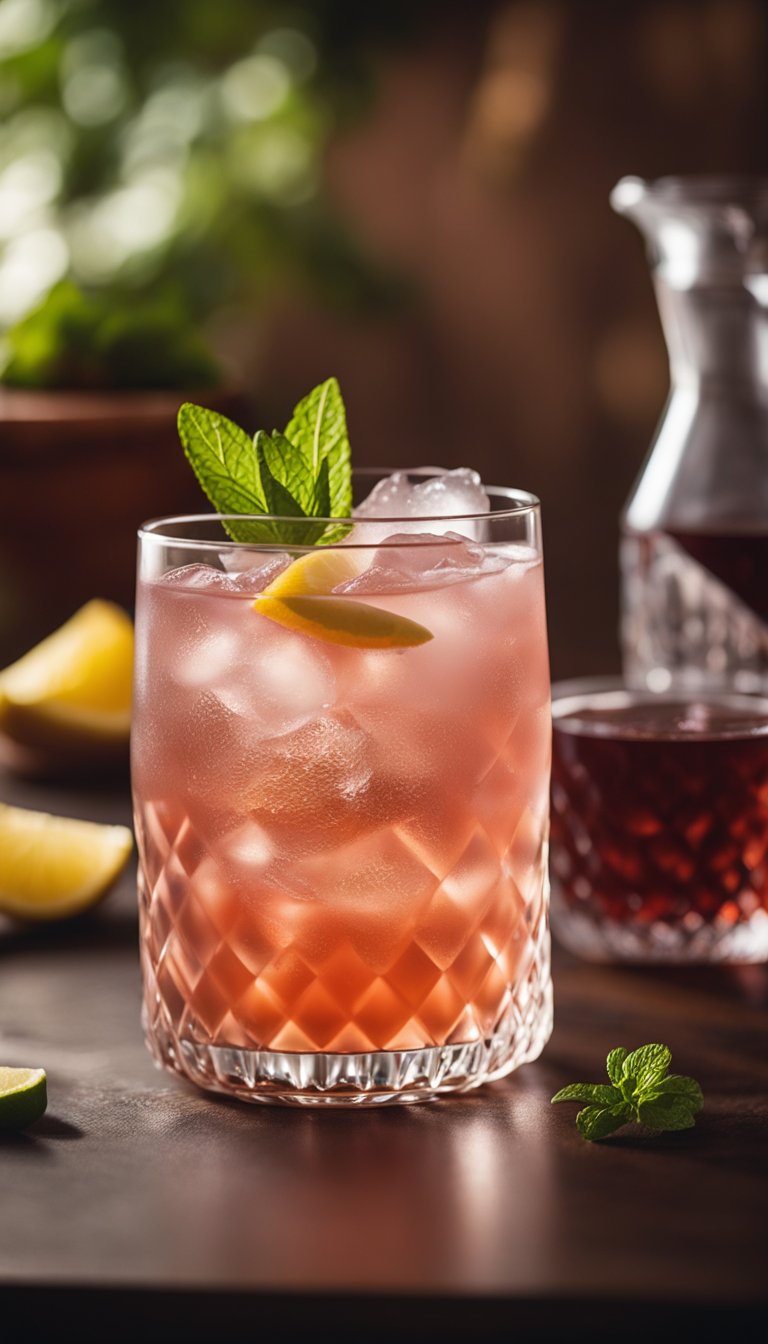
Packaging and Marketing Understanding the EU Regulations for Non-Alcoholic Beverages
As we continue our journey through the intricacies of EU regulations governing non-alcoholic beverages, we find ourselves at a crossroadsaEUR”packaging and marketing. These elements are crucial not only for compliance but also to attract the focus of consumers in an crowded market. Let’s explore the world of packaging and marketing regulations in the European Union.
Packaging Regulations
Material Safety
The EU is determined to ensure that the substances used in beverage packaging will not harm the contents. Manufacturers must abide by strict standards for products like glass, plastics and even metals. This ensures that the packaging doesn’t alter the composition or safety of the beverage.
recycling and sustainable
Environmental sustainability is a growing concern, and the EU encourages environmentally-friendly packaging. Regulations are designed to reduce packaging waste and encourage recycling by setting standards for the use of recyclable packaging materials and reduction of waste from packaging.
Presenting, Labeling and Labeling
Labeling is an important aspect of packaging. EU regulations require specific and precise information on labels, including the ingredient list, the name of the product including nutritional information as well as allergen declarations. These labels assist consumers in making more informed decisions and guarantee transparency.
Marketing Regulations
Truthful Advertising
Non-alcoholic drinks that are promoted in the EU must be guided by the principles of accuracy and truthfulness. All claims in advertisements including health claims or the benefits of ingredients, must be supported by scientific research.
Protecting Minors
Due to the possibility of appealing non-alcoholic drinks to minors marketing efforts must avoid targeting this group of consumers. The EU requires strict guidelines to ensure that advertising does not encourage underage consumption.
Alcohol Imitation
Non-alcoholic beverages should not mimic the appearance or packaging of alcoholic beverages. This avoids confusion among customers and ensures that marketing of these beverages remains clear and clear.
Challenges and Innovative Ideas
Navigating packaging and marketing regulations isn’t easy, but they also present opportunities for innovation. Many companies are embracing sustainable packaging products that conform to both regulatory requirements as well as the preferences of consumers for environmentally-friendly products. Creative marketing strategies that focus on health benefits, as well as distinctive flavor profiles are gaining traction on Europe. EU market.
What’s Next?
The exploration of EU regulations for non-alcoholic drinks wouldn’t be complete without addressing the critical aspect of compliance with these regulations. In the next section, we’ll go in to the strategies and best practices to help businesses to ensure compliance with EU’s stringent standards.
Stay tuned to learn the keys to ensuring compliance with EU regulations for non-alcoholic drinks.
Navigating EU Regulations for Non-Alcoholic Beverages: A Complete Guide
Welcome to the fifth and last chapter of our exhaustive guide on understanding EU regulations regarding non-alcoholic beverages. In this series, we’ve gone through the complex world of regulations governing the production, labeling, safety, and marketing of non-alcoholic beverages within the European Union. In this article’s final installment, we’ll provide a recap of the most important information from each segment and offer final thoughts on the challenges as well as opportunities in this highly controlled sector.
Review of Our Journey
1. Production Standards
In the first article, we examined the production standards that are set by the EU for non-alcoholic drinks. The most important takeaways are:
- High standards of hygiene and safety for manufacturing installations.
- Guidelines to select ingredients and their quality.
- It is vital to comply with the highest residue levels for chemicals and pesticides.
- What is the importance of adhering conforming to Good Manufacturing Practices (GMP) is vital.
Section 2 The Nutritional Information and Labeling
In our next article, we outlined the importance of the correct labeling of food items and nutritional information. Highlights include:
- Correct and clear labeling requirements which include ingredient lists, information on nutrition, as well as allergen declarations.
- The importance of being truthful in advertising and the necessity of scientific evidence to support claims.
- The prohibition against inducing consumers to believe false information.
Part 3: Safety and Quality Assurance
The third article in our series focused on safety and quality assurance. Key points covered:
- Security standards for safety that are strict to prevent contamination and ensure the safety and security of non-alcoholic drinks.
- The importance the role of Hazard Analysis and Critical Control Points (HACCP) in the protection of food safety.
- Monitoring and traceability in order to swiftly discover and solve safety issues.
Section 4: Marketing and Packaging
In the fourth piece we examined the laws relating to marketing and packaging:
- Standardization of the safety of packaging materials that are designed to prevent contamination.
- Insist on recycling and sustainability in packaging.
- Guidelines to ensure honest advertising as well as protection for minors and preventing imitation alcohol.
Challenges and Opportunities
When we are done with our trip through EU rules for non-alcoholic drinks we can see that this industry presents both challenges and opportunities. The difficulties lie in navigating the complex regulatory landscape in order to ensure compliance and accommodating changing consumer demands for eco-friendly and sustainable choices.
However, there are substantial potential opportunities for companies that take on these problems:
-
Innovation: Developing eco-friendly packaging as well as marketing strategies that emphasise health benefits can make you stand out from competitors.
-
Transparency: Complying with labeling and advertising regulations does not just ensure compliance, but also builds confidence.
-
Safe: The importance of safety as well as quality control can help protect your brand’s reputation and protect the consumers.
Conclusion
In this series, we’ve explored through the myriad complexities of EU guidelines for non-alcoholic beverages. From standards for production to packaging marketing, safety, and even packaging Compliance is crucial to success in this industry.
As you navigate through these regulations ensure that you are aware of the fact that they are put in place to protect consumers as well as ensure the best quality standards. Encourage innovation, sustainability and transparency to succeed within the crowded EU market for non-alcoholic beverages.
We thank you for taking our journey to learn. We hope that you’ve gained some valuable insights into the regulatory landscape of non-alcoholic drinks in the EU.
The Recap Of All Articles in this Series
-
1. Production Standards
-
Section 2 Food Labeling and Nutritional Information
-
Chapter 3: Safety and Quality Assurance
-
Section 4: Marketing and Packaging
Continue your quest for success in the field of non-alcoholic drinks and stay current on the most current EU rules and regulations.