alcohol-free Spirits
EU Regulations on Alcohol-Free Drinks: A Comprehensive Guide
in the field of beverages the term “alcohol-free” is getting enormous traction. In the last few years, more and more customers are looking for alternatives to alcohol for various reasons, like fitness, personal preference along with lifestyle and personal preferences. With the popularity of alcohol-free beverages is increasing with it, so too does the need for clear laws to govern the consumption of these beverages.
Understanding the significance of EU Regulations
Why You Must Learn
Before we begin to explore the complex aspects of EU regulations on alcohol-free drinks It’s important to know what this information means. If you’re a buyer looking for quality products or a producer eager to be compliant Let’s look at the reasons EU rules on alcohol-free beverages are crucial:
The rising popularity of alcohol-free Beverages
Drinks that are alcohol-free have surpassed the realm of sodas and water. Nowadays, they cover the entire spectrum of alcohol-free beverages, from alcohol-free beer to stylish mocktails to alcohol-free spirits. Since consumers are seeking healthier and more diverse beverages options, demand for these drinks is expanding.
Health and Safety Concerns
Consumers have a right to believe that items they consume adhere to strict health and safety standards. The regulations ensure that alcohol-free drinks are produced, labeled, and promoted using methods that promote consumer health. They also prevent misleading claims and protect those who must stay away from alcohol for reasons of health.
Sector Growth and Innovation
The industry of alcohol-free beverages is rapidly growing, with innovation that challenges the traditional norms. Producers are experimenting with complex flavor and textures, which resemble the alcohol counterparts. To ensure the continued growth of this sector and ensure the trust of consumers and confidence, thorough regulations are required.
Now that you are aware of the importance of EU regulations on alcohol-free drinks We’ll look at the primary regulations that govern these drinks in the next section.
H2: Key EU Regulations for Alcohol-Free Drinks
In the next section, we will delve into the heart of issue by dissecting important regulations that define the world of alcohol-free beverages within the European Union. From the permitted maximum amount of alcohol to the labeling requirements to labeling requirements, we’ll help you understand the rules which producers, distributors and consumers must be aware of.
Maximizing Safety and Consumer Confidence
When embarking on this regulatory adventure, keep in mind this: these regulations aren’t mere red tape from bureaucratic processes. They are vital in ensuring that alcohol-free drinks conform to specific quality standards. They also provide clear and accurate information to customers and provide an improved and safer beverage environment.
Then, let’s go through the complex complexities of EU regulations for alcohol-free drinks to the section below.
[Next step: Section 2: Key EU Regulations for Alcohol-Free Drinks[Next up: Section 2: Key EU Regulations for Alcohol-Free Drinks
Elevate Your Retail Game: Bulk Order Non-Alcoholic Spirits Direct from Swedish Distillers!
The most important EU Regulations for Alcohol-Free Drinks
In our endeavor to learn more about the complexities surrounding alcohol-free drinks across the European Union, we now go deep into that matteraEUR”the regulations. The regulations form the backbone for ensuring alcohol-free drinks are safe, transparent as well as meet strict guidelines for quality. Let’s start this regulatory journey by dissecting the essential EU regulations that govern alcohol-free drinks.
Maximum Permitted Alcohol Content
Why it is Important
The very concept of “alcohol-free” hinges on the permitted alcohol content. In the EU the EU, in order for a beverage to be classified as “alcohol-free,” it must contain no more than 0.5% the volumetric amount of alcohol (ABV). This minimal threshold is vital to protect consumers, and is particularly important in those who prefer to avoid alcohol altogether, due to health, diet,, or other personal reason.
Required Labeling
The clarity of the HTML0 code and Transparency
EU regulations require that labels of alcohol-free drinks must clearly declare their alcohol content. This isn’t only an issue of transparency but is also essential for customers who depend on such data. The label should prominently include the “alcohol-free” designation, as well as the exact ABV in order to ensure that consumers can make educated choices.
Ingredients and Additives
Quality and Purity
To ensure the high-quality and authenticity of alcohol-free beverages EU regulations stipulate stringent requirements in the use of ingredients and add-ons. The regulations guarantee it is only legal substances are used in the making of these drinks. The primary focus is maintaining the authenticity of the product regardless of whether it’s an alcohol-free beer, wine, or spirits.
Health Claims and Advertising
Avoiding false claims
EU regulations also govern health claims and advertising for alcohol-free beverages. This helps to avoid misinformation that could lead to false perceptions of the health benefits of consuming these drinks. Producers must follow guidelines that ensure accuracy and integrity for their advertisements.
Standardization and Quality Standards and Safety Checks
Continuous Testing and Quality Control
Another critical aspect of EU laws is compliance with quality standards and security inspections. Producers are required to conduct rigorous tests and quality control measures to make sure that their alcohol-free beverages meet the established standards. This includes hygiene, safety from microbiological contamination as well as overall quality.
Compliant and Certification
As we’ve gathered an awareness of the important EU regulations for alcohol-free drinks You may be thinking how producers and distributors ensure the strictness of these rules. The process of ensuring compliance and certification is an essential element of getting these drinks on the market while still adhering to EU rules.
H2: Insuring Compliance
In the process of complying, it can be daunting task, however it is crucial for both distributors as well as producers to ensure that their alcohol-free beverages meet EU standards. Here are the key steps involved in the conformity procedure:
Testing and Analyzing
Producers must conduct extensive testing and analysis of their alcohol-free drinks to verify that they meet the criteria. This includes alcohol content verification, ingredient testing, and tests of quality.
Documentation and Record-keeping
Detailed documentation is a cornerstone of compliance. Producers need to maintain records of testing, ingredient sourcing, and production processes. These records are used as proof of conformity and may be subject to inspection by regulatory authorities.
Co-operating with Regulatory Authorities
Producers and distributors usually collaborate with regulatory authorities in order to make sure that they are compliant. This includes getting necessary certifications and approvals. These will vary based on the specific type of alcohol-free drink.
Common Challenges, and How to overcome them
The compliance process can be difficult particularly for small-scale producers or those new to the business. Common obstacles include navigating legal complexities, balancing testing costs, and staying up to date with the ever-changing regulations. Expert guidance from a professional and being up-to-date with regulatory changes are key strategies for overcoming these hurdles.
In our next section we’ll look into how these regulations impact on the consumer and how they can make informed decisions when selecting alcohol-free drinks.
[Next up: Section 3: Effect on Consumers]

Influence on Consumers Effect on Consumers: Navigating EU Regulations on Alcohol-Free Drinks
As we continue our journey through the realm of alcohol-free drinks and the regulations that govern them in the European Union, we come to a pivotal point of considerationaEUR”the impact of these regulations on consumers. It’s vital for consumers to be aware of the ways in which these regulations affect their choices and rights in relation in choosing alcohol-free drink.
Why Should Consumers Be Concerned About EU Regulations on Alcohol-Free Drinks?
Before getting into the specifics before tackling the specifics, it’s essential to answer this fundamental question: Why should consumers care about EU laws on alcohol-free drinks? Here are the most important reasons:
-
The safety of the consumer as well as Trust: Consumers deserve to enjoy secure and dependable products. Regulations ensure that alcohol-free beverages meet specific quality and safety standards, which reduces the chance of health problems or misrepresentation.
-
“Informed Choices”: The regulations empower the consumer to make informed choices. By understanding the labeling requirements and the health benefits, customers are able decide on products that best suit their preferences, dietary needs and lifestyle.
-
Preventing Misleading Claims: Regulations ensure that consumers are protected from misleading claims in health and advertising that could make consumers in the path of misleading marketing tactics.
Let’s dive a little deeper into how EU regulations impact consumers:
Reading Labels and Understanding Claims
A Clear Labeling
One of the primary ways that consumers are impacted by EU regulations is through product labeling. When you buy an alcohol-free drink in the EU the label should be clear and precise. Here’s the information you should look for:
-
Alcohol Content: Laws require labels to reveal the exact alcohol content typically expressed in Alcohol by Volume (ABV). This allows consumers to verify they are genuinely free of alcohol and is within the EU’s 0.5 percent ABV threshold.
-
“Alcohol-Free” Identification: Your label needs to prominently include the “alcohol-free” label, so consumers are able to easily recognize the products.
-
Listing of ingredients: The regulations require extensive ingredient lists to help consumers with allergies or dietary restrictions make educated choices.
-
Statements on Health: Be cautious of health claims that are printed on labels. Regulations prevent misleading statements, which means that consumers can trust products’ health benefits are correctly portrayed.
Announcing Non-Compliance
Consumer Rights and Accountability
Consumers also have a stake in the enforcement of EU rules regarding alcohol-free beverages. If the label on a drink appears incorrect or you believe that the product is in non-compliance with regulations, you are entitled to report it. Not reporting violations helps preserve credibility of marketplace and holds producers accountable.
Ressources to Consumers
In addition to reporting any non-compliance, consumers can turn to various sources of guidance:
-
Consumer Associations: Many consumer associations actively monitor product compliance they can also provide information as well as assistance.
-
Regulation Authorities Contact your national or regional regulatory agency for advice and to voice concerns.
-
Online Community: Joining online forums and communities can give you insight and advice from fellow users who are interested in the same things as you.
Understanding how EU regulations affect consumers allows consumers to make educated choices as well as contribute to the reliability of the market. In our next section, we’ll explore the future trends in this evolving market and what consumers can be expecting in the future of alcohol-free drinks.
[Next up: Section 4: Future Trends and ConclusionThen Section 4: Future Trends and Conclusion

Future trends regarding the World of Alcohol-Free Drinks
As we go through the complexities of EU regulations on alcohol-free drinks and their impact on the consumer it is crucial to examine the emerging trends that are likely to emerge in this landscape. The world of alcohol-free drinks is experiencing rapid growth and innovation driven by shifting consumer habits and healthier choices.
Why Future Trends Are Important
Understanding future trends is not simply a matter of curiosityaEUR”it’s essential for both producers and consumers. For producers, staying ahead of the curve involves ensuring that they are able to meet evolving expectations of the consumer and adjusting regulations. For consumers, it’s having access to an ever-expanding number of innovative and healthy drinks.
1. The Product Variety is Growing
The Beyond of the Basics
It is clear that the world of alcohol-free beverages isn’t just limited to traditional choices like soda and sparkling water. Producers are constantly broadening their product lines to provide consumers with a wide assortment of options. Some examples include:
-
Alcohol Free Beer The products grown more sophisticated, with flavors and aromas that closely imitate their alcohol-based counterparts.
-
Wein Alternatives Drink-free wine is growing in popularity, allowing consumers the flavor and enjoyment of wine with no alcohol.
-
Alcohol-Free Spirits: Mocktails and alcohol-free spirits are on the rise, allowing consumers to experience complex flavors as well as cocktails without alcohol.
2. Innovative Flavors and Ingredients
mimicking complexity
Producers are investing in the development of research and development for drinks that are alcohol-free and mimic the rich flavor and experience of alcoholic drinks. This involves experimenting with botanicals, herbs, and spices to produce distinct profiles.
-
Botanical Infusions: Gin that is alcohol-free and botanical spirits contain a wide range of plants, resulting in unique taste experiences.
-
Distillation Technology: Different producers utilize distillation methods to extract flavors that are not alcohol-based that result in sophisticated alcohol free spirits.
3. Health and Wellness Focus
Conforming to Consumer Values
Consumer demand for healthier and more sustainable products is driving producers to focus upon wellness and health. This includes highlighting nutritional information, organic ingredients and the benefits of wellness.
-
Low Sugar and Calories Many alcohol-free drinks are designed to be less calories and sugar, catering to those who are health conscious.
-
Essential Ingredients Producers are now integrating functional ingredients such adaptogens, vitamins, and antioxidants to boost the health product.
4. Sustainability and Eco-Friendly Practices
Meeting Environmental Concerns
Sustainability is becoming a major concern as producers respond with eco-friendly methods. This includes sustainable sourcing of raw materials, eco-friendly packaging, and reduced carbon footprints.
-
Recycling Packaging Many brands that are alcohol free choose to use recyclable or biodegradable packaging to minimize environmental impact.
-
Ethical Sourcing: Producers are increasingly transparent about where they get their components, ensuring they are in line with ethical and sustainable standards.
5. Educational and Consumer Empowerment
Informed Choices
As the alcohol-free drinks landscape changes, education for consumers becomes crucial. Brands invest in tools for helping consumers comprehend their products, which includes:
-
Internet Resources Sites as well as social networks offer information about ingredient ingredients, health benefits, and serving suggestions.
-
Event Tastings: Certain producers hold tasting events and workshops to instruct consumers on how they can take advantage of alcohol-free drinks to the fullest.
Understanding these trends allows consumers to make better choices to their tastes and values. In our next chapter we’ll outline the major findings and analyze how the world of alcohol-free beverages continues to influence the choices of consumers and experiences.
[Next up: Section 5: Overview and Looking to the FutureThen, Section 5: Summary and Looking forward
Overview and Looking Forward Becoming familiar with EU Regulations on Alcohol-Free Drinks
As we conclude our comprehensive examination of EU regulations on alcohol-free drinking and their profound impact on consumers as well as the industry It’s vital to review some of the key points from each chapter and look ahead to the upcoming developments within this dynamic environment.
Section 1: What is the understanding of EU Regulations
In the first chapter of our trip we explored the essential aspects of EU regulations regarding alcohol-free drinks. Here are the key takeaways:
-
EU Regulations Ensure Safety: These regulations are designed to ensure the purity and quality of alcohol-free beverages, ensuring that consumers can have fun with these drinks without health hazards.
-
Information on Labelling Clarity Consumers can rely on clear and accurate labeling that identifies alcohol-free beverages along with their ingredient and health claims.
-
rights of the consumer: consumers have the rights to inform about violations of regulations, contributing to an honest and accountable marketplace.
2. Production and Compliance
In the second part, we examined the production and legal aspects of alcohol-free beverages:
-
Specifications for production: The producers must conform strictly to standards, including the 0.5% ABV maximum for the alcohol-free classification.
-
The testing process and the certification Products undergo rigorous testing to ensure they meet standards of safety.
-
Obligation to Be Compliant: It is critical to avoid penalties and maintain consumer trust.
Section 3: The impact on Producers and Market
Our third section was focused on the effects of regulation on producers as well as the market:
-
Growing Market: There is a growing demand non-alcoholic drinks is on upswing, driven by health-conscious customers and new product offerings.
-
Innovation and Competition: Producers are continually creating new products to meet consumer demand that result in a wide choice of alcohol-free products.
Section 4: Future Trends
In the penultimate section, we explored the future trends in the world of alcohol-free drinks:
-
Expanding Variety of Products: Consumers can expect to find a wider selection of alcohol-free drinks, with elegant alternatives to traditional favourites.
-
Innovations in Flavors and Ingredients: The producers are investing in reproducing complex flavors, and enhancing the experience of drinking.
-
Health and Wellness The focus: Health-conscious consumers will discover products that are in line with their preferences for food and the goals of their health.
Section 5″Summary and Looking forward”
In this section, we’ve examined the crucial insights we uncovered from our study of EU rules on alcohol-free drink. These lessons help consumers and producers to navigate the changing regulations effectively.
As we approach the future the world of alcohol-free beverages is expected to continue growing and new developments. Consumers will be able to anticipate a growing selection of alternatives that appeal to their distinct tastes, preferences, and needs. Producers, in turn, must be vigilant about adhering to the rules while taking advantage of the opportunities provided by this ever-changing market.
In the end, understanding EU regulations on alcohol-free drinks isn’t solely about compliance but also ensuring the safety, transparency, and choice that consumers are entitled to. With a bright future in the near future this market is a great place for consumers to explore their options, taste, and drink to a healthy and delicious experience.
Thank you for coming along on this journey through our world of non-alcoholic drinks and EU regulations. Looking forward to a year filled with exciting and responsible beverage options.
[End of Series]
Welcome to the “World Of Alcohol-Free Mixology”
Unleash Your Mixologist’s Secret and create alcohol-free Spirits
In a day and age where inventive mixology has been praised and choices for alcohol-free alternatives are increasing, there’s never been a better moment to begin an exploration of creating alcohol-free cocktails. There’s no reason to be afraid of sophisticated drinks, or a host looking to give a variety of alternatives to your guests and parties, the art of DIY mixing has never been more enjoyable.
“The Rise of DIY Mixology
The past was only for bartenders, and connoisseurs of the cocktail. However, the rise of health-consciousness, the demand for non-alcoholic options, and the sheer joy of creating unique flavors have propelled DIY mixology into the spotlight. Today, the creation of alcohol-free spirit is not just a trend; it’s a thriving movement with a dedicated community looking to explore new ideas.
Why is Craft Alcohol-Free Spirits?
1. Control Over Flavor Profiles
If you are crafting your alcohol-free spirit it is your turn to take charge of flavor development. You can mix your creations with the precise mix of spices, botanicals and fruit that delight your taste buds in the perfect way. It’s a customized experience where you can dictate the notes that can dance on your palate.
2. Ingredients as your Canvas
Mixing and matching ingredients is an art form crafting alcohol-free spirits allows you to be the master. Create your own recipes using herbs, fruits and spices, to create flavor combinations that are entirely yours. Every sip will experience the enthusiasm and creativity in your creation.
3. Benefits for the environment and economy. Benefits
Making your own alcohol-free spirit isn’t only about personalization. It’s more about sustainability. When you make your own spirits, you can reduce the amount of packaging waste, reduce your carbon footprint and you save money in longer term. It’s a win-win situation for your gustatory pleasure and the world.
The Exuberance of Mixology DIY
Imagine you are at home in the kitchen, creating a drink that is worthy of the best bars. There’s more to it than the end result, but rather how you make it happen – the mess as well as the straining and shaking. It’s about a sense of anticipation as you watch your masterpiece be realized. It’s about the thrill of serving your exquisitely-crafted drinks to friends and family, their faces lighting up over with delight and excitement.
On our journey through the world of crafting alcohol-free spirits we’ll take a look at the key tools and ingredients that you’ll need to succeed. You’ll learn how you can build your mixology arsenal and select the best ingredients that go with your unique vision.
Next up: Section 2: What is the reason for Craft Alcohol-Free Spirits?]
Are you ready to dive into the art of DIY mixology and craft alcohol-free drinks that will leave a lasting impression? Let’s start this exciting journey with us!
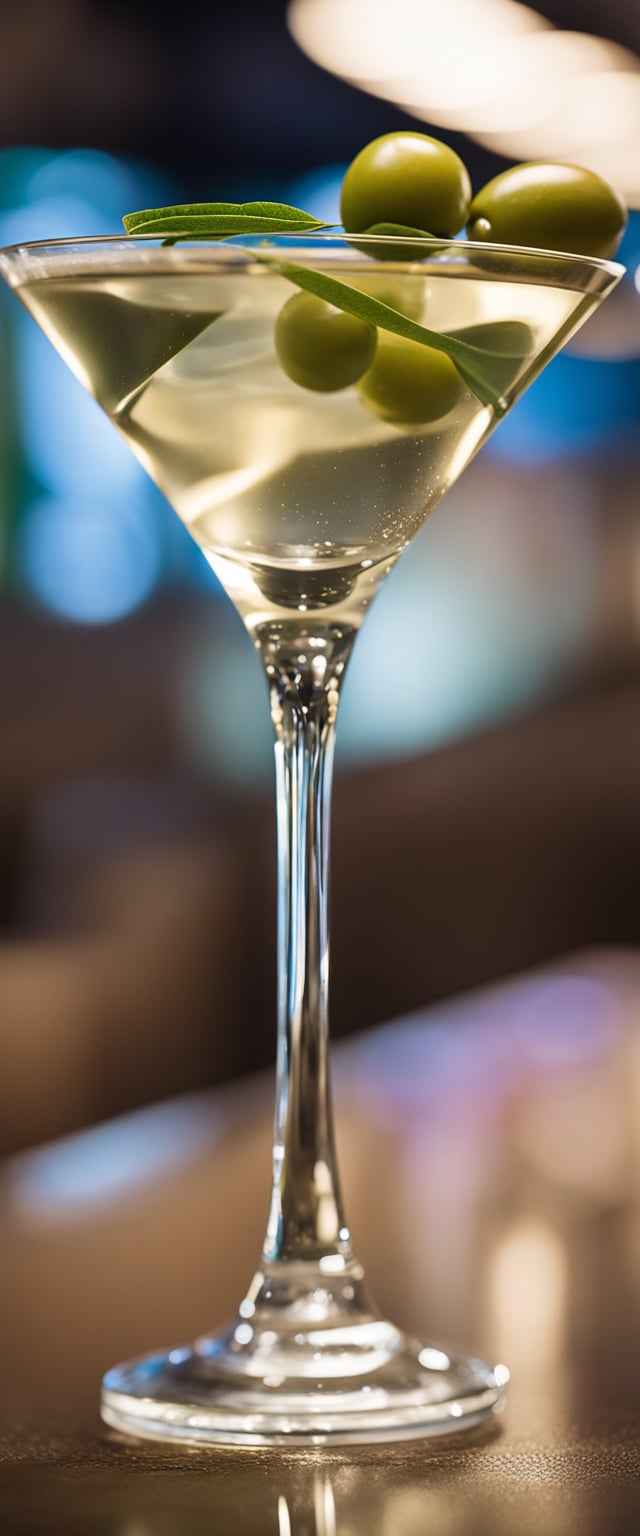
Affirming the Joy of DIY Mixology
Why do we need Craft Alcohol-Free Spirits?
In the realm in mixology, making alcohol-free spirits has proven to be an exciting and rewarding hobby. It’s not just a fashion; it’s a movement that values creativity, openness, as well as a healthier and more enjoyable way of drinking alcohol. In this article we’ll explore the reasons why you should take up the challenge of DIY mixology and create your own alcohol-free beverages.
Control Over Flavor Profiles
One of the most compelling reasons to begin your journey to create spirit without alcohol is the unmatched control that you can have over tastes. When you create your spirits then you’re the master of taste. This allows you to:
-
Tastes can be customized to suit your Taste Mix the combination of botanicals, herbs, and spices to meet the individual preferences of your taste. You’re craving a little citrus or perhaps a bit of smoke? You’re in control.
-
Exploring Fearlessly You’re not bound by the limitations in commercial cooking, you are able to let your imagination go wild. Mix and mix ingredients until they reach the ideal balance that pleases your senses.
-
Recreate the most loved flavors Have you ever thought that you could recreate the flavor of your favorite beverage without alcohol? Making alcohol-free spirits allows you to recreate the flavor you like without the disadvantages.
Ingredients as your Canvas
Make alcohol-free spirit as an art form where ingredients act as your canvas. You’re not just following an recipe, but you’re making the ultimate work of art. Here’s why this artistic aspect can be so exciting:
-
Unleash Your Inner Mixologist Take a moment to make yourself a mixologist by allowing yourself to experiment with a wide range of fruits, spices, herbs, and botanicals. Each ingredient will be a stroke to paint your palate of flavor.
-
Unique Signature Spirits: Your creations will be infused with the distinctive taste of yours. Be memorable to your friends and family by offering drinks you won’t get anywhere in the world.
-
Endless Possibilities The diversity of ingredients available means there are endless possibilities. You can make spirits that are influenced by different cultures, weather conditions, or seasons.
Environmental and Economic Benefits
Making alcohol-free spirits at home isn’t only about personalization. It has environmental and economic advantages:
-
Cost-effective: In time, creating your own spirit can be more cost-effective when compared to purchasing ready-made alcohol-free options. You’ll save money while sacrificing quality.
-
Reduced packaging waste By preparing your spirit, you decrease the requirement for single-use packaging, contributing to a more green lifestyle.
-
Lower Carbon Footprint Home-made alcohol-free spirits have less emission from transportation compared with commercially-produced alternatives.
The thrill of DIY Mixology
What sets crafting alcohol-free spirits apart isn’t just the finished product, it’s all in the process. It’s about making your hands messy (or for this particular case your hands sticky with mixed fruits) and enjoying every step throughout the whole process
-
Shaking and muddle The sensations of muddling herbs or shaking drinks can be very satisfying.
-
Anticipation In the moment that your work develops the anticipation increases, as does your excitement.
-
Sharing the Joy Perhaps the most satisfying pleasure comes from sharing your beautifully crafted drinks and family members, while watching their eyes light up with delight.
In the next part we’ll go over some of the tools and components needed to begin your alcohol-free mixology adventure. These are the foundational elements that can help you make spirits that enthral the senses.
[Next step: Section 3: Essential Tools and IngredientsThe [Next: Section 3: Essential Tools and Ingredients
Are you ready to take the plunge in the realm of mixology that you can make yourself and craft alcohol-free spirits that enrich your beverage experience? Let’s learn about the tools, and ingredients that will create the perfect cocktail!
Your Go-To for Bulk Non-Alcoholic Spirits: Direct Orders from Swedish Distillers!
The Mixology Armory You’ll Need The Essential Tools and Ingredients
The best way to prepare yourself for a drink-free mixology and a successful career
In the realm of making alcohol-free spirits the right tools and ingredients will be your reliable companions on the path to mixology mastery. This article will help you to building your own mixology arsenal that can help you create a variety of flavors and experiences that appeal to your senses.
tools of the Trade
1. Cocktail Shaker
- The reason it’s essential: A shaker is the perfect tool for mixing and chilling ingredients. It’s essential for drinks, which require a precise mix and an elegant touch.
- Considerations The choice is between either a Boston shaker (two-part) or a cobbler shaker (three-part) as per your preferences and expertise.
2. Muddler
- What’s the reason it’s so important Mixing fruits, herbs or spices releases their flavors and aromas and adds depth to your cocktails.
- Considerations: Look for an enduring muddler that has a an ergonomic grip.
3. Jigger
- Why it’s necessary The importance of precision is paramount in mixology. A jigger will help you have the correct measurement of ingredients and ensures consistent results.
- Things to Consider You should choose a jigger with both double-sided and single-sided measurements to provide multi-dimensionality.
4. Strainer
- Why it’s Important: A strainer is essential for separating your drink from the ice or other ingredients that are muddled to create a smooth and clear drink.
- A few things to consider: Hawthorne and julep strainers are both popular options and are each suitable for various types of cocktails.
5. Glassware
- Why it’s necessary Different cocktails require different glass shapes. A selection of glassware around can add a professional touch of presentation.
- Themes Get your hands on martini, rocks and highball, and coupe glasses to accommodate different cocktail styles.
6. Spoon Spoon
- Why it’s crucial The bar spoon assists in stirring cocktails carefully, preventing excessive dilution and keeping the drink’s integrity.
- Beware of Consider long-handled spoons with twisting stem to make it easier to stir.
Key Ingredients
1. Base Liquids
- Why they’re Essential Basis liquids are the foundation for your alcohol-free spirits. The most popular options are distilled waters, wine that is non-alcoholic, and non-alcoholic beers.
- The basics Select a base that complements your flavor profile and the taste you’re trying to achieve.
2. Herbs, Botanicals and Spices
- Why they’re essential These elements are the heart of your spirits that give them flavor and complexity.
- Considerations Try experimenting with several different varieties, starting with coriander seeds and juniper berries for a non-gin alternative cinnamon and cloves for an elixir that resembles whiskey.
3. Fruits and Citrus
- Why they’re Essential Fresh fruit or citrus provide brightness or acidity for your drinks.
- Considerations Think about using fruits like lemons, oranges and limes. Consider also various seasonal varieties to produce distinctive flavor profiles.
4. Sweeteners
- What they are Sweeteners can balance the flavor of your drink. You can choose from simple syrup and agave nectar as well as honey.
- A few things to consider: Adjust the sweetness level to match your taste by adding sweeteners gradually.
Finding the best ingredients
The quality of your ingredients directly impacts the taste and the total quality of your crafted spirits. Consider the following tips:
- Freshness is important Try fresh herbs along with fruits, spices and vegetables whenever possible in order to capture the vibrant flavor of these items.
- Organic Options Select organic food ingredients to avoid exposure to pesticides and chemicals.
- Sources of Ethical Supply: Select suppliers and brands that prioritize ethical and sustainable the sourcing process.
In our next section we’ll dive into what’s exciting about making alcohol-free spirits which is the recipe. Follow the step-bystep instructions to creating delicious spirits that are comparable to the alcohol-based counterparts.
[Next: Section 4: Making Alcohol-Free Spirit Recipes[Next up: Section 4: Crafting Alcohol-Free Spirit Recipes
With your mixology kit in place and all the ingredients in your fridge, you’re well-prepared to embark in a journey of discovery creating unique alcohol-free spirit. Let’s take a dive into the world of flavors and recipes!

Mixology Magic: Making Your Own Spirits
Creating Delicious Alcohol-Free Spirit Recipes
Welcome to the core of our journey through the world of crafting alcohol-free spirits and the recipes. In this section, we’ll unravel the mystery of mixology by providing step-by-step instructions for crafting spirits that not simply compete with their alcohol-based counterparts but also draw your attention by their distinctive tastes.
Recipe 1: Citrus-Infused Vodka Alternative dY
Ingredients:
- 2 cups distilled water
- Zest of 2 lemons
- A smoky orange
- 1 tablespoon coriander seeds
- 1 teaspoon pods of cardamom
- 1 teaspoon juniperberries
- 1/2 teaspoon peppercorns
Instructions:
- In a glass container, combine distilled water lemon zest, orange zest, coriander seeds, cardamom pods, juniperberries, and peppercorns.
- Seal the container and let it infuse with a cool, dark location for at least 48 hours.
- Strain the infused liquid through an fine mesh sieve or cheesecloth to get rid of the spice and zest.
- Keep the resulting citrus-infused juice with a glass bottle.
- Take a sip of your favourite cocktails or with a slush!
Recipe 2: Herbal Gin Alternative dYOE?
Ingredients:
- 2 cups non-alcoholic distillation water
- 1 tablespoon dried juniper berries
- 1 tablespoon dried coriander seeds
- 1 teaspoon angelica root dried
- Zest of 1 lemon
- A smoky orange
- Four fresh basil leaves
Instructions:
- In a glass container make a mixture of non-alcoholic distilled drinking water and dried juniper berries. dried coriander seeds and dried angelica root and zest of lemon, orange zest, as well as fresh leaves of basil.
- Close the container and let it sit in a cool, dark and dry place over the course of 24 to 48 hours.
- You can strain the infusion using a fine mesh sieve, or cheesecloth for removing the herbs and zest.
- It is best to move the herbal alternative into an empty glass bottle.
- Make it the base of classic gin cocktails, or be creative and create your own creations.
Recipe 3: Whiskey’s Style Elixir.
Ingredients:
- 2 cups non-alcoholic distillation water
- 1/4 cup oak chips toasted
- 1 cinnamon stick
- 3-4 cloves
- 1 teaspoon vanilla extract
- 1/2 teaspoon allspice the berries
- 3/4 teaspoon black peppercorns
Instructions:
- In a glass container, combine non-alcoholic distillation water toasty oak chips, cinnamon stick, cloves, vanilla extract, allspice berries, the black peppercorns, and.
- Keep the container sealed and let it infuse for a few days in a dark, cold place for at least one week. You can extend the infusion duration for more intense flavor.
- Strain the elixir through a fine-mesh sieve or cheesecloth to remove the oak chips and spices.
- Transfer the whiskey-like elixir into a glass bottle.
- You can sip it straight or mix it into classic whiskey cocktails, or experiment with new cocktails.
Tips for Crafting The Perfect
- Taste and adjust Then taste the creations as you go. Set the infusion times and the mix of ingredients to get your desired flavor.
- Experiment Don’t be scared to get creative. Add and subtract ingredients based on your personal preferences.
- label your bottles Label your bottles with the name of the spirit as well as the date of creation for future for future.
- Share and Enjoy Invite relatives and friends to try your creations. Their feedback can result in new flavors.
In the next installment we’ll look at how you can present and serve your carefully crafted alcohol-free spirits. We’ll also discuss the best garnishing techniques as well delicious mocktail recipes which will please your guests.
[Next step: Section 5: Serving and Embracing Your Creations[Next up: Section 5: Serving and Enjoying Your Creations
Are you ready for mixing your knowledge to life? And enjoy the flavor of your own hand-crafted spirit? Let’s keep the conversation going by learning how you can elevate your creations, and then delight in them to the fullest!
Serving and Having Fun with Your Creations
Get your Alcohol-Free Spirits up to New Heights
Congratulations! You’ve learned the art of making alcohol-free spirits becoming an expert in the basics, discovering the whys and revealing recipes that surpass the old-fashioned. The time has come to savor the fruits of your experimentation and present the results in a way that’s sure to take your mixology to new heights.
Garnishes and Presentation Garnishes and Presentation
The saying “we are eating (or drink) with our eyes” could not be more true in mixology. The visual appeal of spirits without alcohol can boost the overall enjoyment. Here’s how you can make your drinks an absolute feast for the eyes:
- Fresh Herbs: A little sprig fresh mint, basil, or rosemary adds a touch in elegance to your cocktails. It also releases aromatic notes by being lightly crushed.
- Citrus Zest The twist of lemon or orange zest not only looks stunning but also delivers a zing of citrusy fragrance.
- Sweet Flowers Delicate edible flowers such as violets and pansies hang on the surface the drinks, creating an airy appeal.
- Fruit Slices: The thin slices of fruits like lemons or oranges as well as strawberries don’t just look stunning but they also infuse drinks with subtle flavor.
- Ice: Clear, large globes or cubes of Ice not simply keep your drinks ice-cold but also appear impressive and reduce the rate of dilution.
Mocktail Recipes dY1
Now that your hand-crafted alcohol-free spirits have been made for use, it’s the time to put your spirits to use. Here are some mocktail recipes to get beginning:
1. Citrus Splash
-
Ingredients
:- 1 oz Citrus-Infused Vodka Alternative
- 2 oz sparkling water
- 1/2 oz fresh lemon juice
- 1/2 oz fresh orange juice
- Fresh mint leaves for garnish
-
Instructions
:- In a glass, add ice.
- Mix the Citrus-Infused Vodka Alternative freshly squeezed lemon juice and fresh orange juice.
- Make sure to top it off with sparkling tap water.
- Stir gently, then garnish with fresh mint leaves.
2. Herbal Bliss
-
Ingredients
:- 1 oz Herbal Gin Alternative
- 1/2 oz elderflower syrup
- 3 oz tonic water
- Fresh basil leaves to garnish
-
Instructions
:- The glass should be filled with ice.
- Pour in it with the Herbal Gin Alternative and elderflower syrup.
- Sprinkle with tonic.
- Stir gently and finish with a fresh bouquet of leaves.
3. Smoky Elixir Sweet
-
Ingredients
:- 1 oz Whiskey-Style Elixir
- 3/4 oz fresh lemon juice
- 1/2 oz simple syrup
- Ice
- Lemon twist to garnish
-
Instructions
:- Fill a shaker filled with an ice cube.
- Mix in the Whiskey-Style Elixir along with freshly squeezed lemon juice and simple syrup.
- Shake vigorously.
- Strain into a rocks glass that is filled with frozen.
- Garnish with a lemon twist.
Sharing the Experience
Mixology isn’t just about making the perfect drink, it’s about creating unforgettable memories. Here’s how to be a part of the excitement of your creations for others:
- Host an HTML0 Tasting Party: Invite friends over for the tasting. Let them sample your creations as well as provide feedback.
- Create signature cocktails You can create unique cocktails using the spirit of your choice and give them creative names. Make these recipes available to your colleagues.
- Document Your Journey Let others know about your mixology journey via the social networks or a blog. Motivate others to investigate the world of alcohol-free mixology.
- Christmas Gifts Spirits made from craft make the perfect gift. Give the gift of love by giving bottles of your own creations to those you love.
Conclusion: Cheers to The Mixology Adventure of Your Mixology Adventure dYY=,
The journey you’ve chosen to take is a unique journey via the art of creating alcohol-free spirits. From the fundamentals to creative recipes, you’ve delved into the world of mixology with a healthy, balanced approach pleasant, satisfying, and inclusive.
Let’s review our five-part adventure:
-
Introduction to Crafting Alcohol-Free Spirits: We started by showing you the process of alcohol-free spirits that are made by hand, creating the foundation for the mixology journey you’ll embark on.
-
What are the reasons to craft alcohol-free Spirits: In the following section, we discussed the motivations behind crafting your spirits, emphasizing control creativeness, sustainability, and control.
-
Important Tools and Ingredients The 3rd part guided you in assembling the needed tools and picking out the finest ingredients for your mixology experience.
-
Create Alcohol-Free Crafting Spirit Recipes in the fourth section, we provided you with step-bystep recipes to create your spirits, complete with tips for success.
-
Serving and Enjoying Your Work: Finally, in this section, we delved into the presentation as well as garnishing and mixing techniques, mocktail recipes, and the pleasure to share your mixology knowledge.
With your mixology arsenal well-equipped with spirits that have been crafted to perfection and your presentation skills developed, you’re set for a mixology adventure that will be a delight to your senses as well as the senses of your family and friends. Enjoy your new mixology talents, as well as the unforgettable experiences they’ll provide!
Are you missing any part of our mixology experience? You are able to revisit any part at any point. ]
Now, let’s raise glasses to the mixologists of the future that create the delicious spirits that are alcohol-free, and the hosts of unforgettable gatherings. Your journey will continue as well as your unique creations continue be an inspiration!