understand
Seizing the Opportunity: Uncovering Urgent Opportunities in the EU and UK Alcohol-Free Spirit Market
The world of spirits is undergoing an incredible transformation. It’s no longer the case that alcohol was the only option for those looking to indulge in the rich tastes and scents of high-quality created drinks. Today’s health-conscious, mindful society, the demand of alcohol-free alternatives is exploding. This huge shift is creating several opportunities in and around the European Union (EU) and United Kingdom (UK) alcohol-free spirit markets.
The Boom in Alcohol-Free Spirits
The rise of Non-Alcoholic Alternatives
The increasing interest in alcohol-free spirits may be due to the increasing awareness of the negative effects of drinking alcohol can have on the health and well-being of people. People are increasingly adopting an approach to drinking habits, choosing the quality of their drinks over the quantity. This is why the alcohol-free spirit market is seeing significant growth.
Recent years have seen consumers have demonstrated a clear preference to alternatives that allow them to indulge in the awe-inspiring flavors and sensory experiences traditionally that are associated with spirits free of the narcotic effects of alcohol. Be it the familiar juniper aroma of gin and the subtle whiskey undertones, the alcohol-free alternatives are designed to replicate the taste and aroma similar to alcohol.
The statistics reflect this change. Sales of alcohol-free spirits have increased, and a variety of brands have emerged to cater to the demand. Notably, established distilleries have joined in the trend by utilizing their knowledge to make premium alcohol-free spirits that are suited to sophisticated palates.
The Health and Lifestyle Change
While the rise of alcohol-free spirit is in part driven by the desire to enjoy tasty alternatives, health-conscious living is now a predominant factor. A majority of consumers are opting for drinks that are alcohol-free to maintain an active lifestyle, avoid the effects of hangovers, and to reduce their overall consumption of alcohol.
The trend toward healthier living extends beyond the health and wellness movement, in which consumers prioritise self-care and mindfulness. In this case, choosing non-alcohol spirits lets them take pleasure in the art of mixing cocktails and mixology without jeopardizing their health.
As the market continues to develop it is a great time to start businesses that are able to tap into this healthy consumer segment. The need to capitalize on these opportunities has never been more evident.
The Understanding of market structure of the EU and UK Market
Market Overview
Before we dive into the specific opportunities within these markets, EU and UK market for alcohol-free spirits, it’s essential to understand the current situation. Both regions have seen significant expansion in the consumption spirits without alcohol.
In the EU nations like Germany, France, and Spain have emerged as key areas for the sale of alternatives that are alcohol free. These countries, which are known for their gastronomic traditions and love for fine drinks are embracing alcohol-free spirits with enthusiasm. Many brands responded with offering a diverse range of alcohol-free choices to satisfy the needs of these markets.
The UK is a vibrant country, with a vibrant spirit of cocktails and its booming consumer enthusiasm for health is also a popular destination for alcohol-free spirits. London specifically has seen the growth of dedicated alcohol-free bars and establishments in recent years, which suggests a growing demand for sophisticated alcohol-free beverages.
Regulatory Landscape
Navigating how to operate in EU and UK alcohol-free spirit market requires a nuanced understanding of the regulatory framework. The rules governing the production as well as the labeling and marketing of alcohol-free drinks can vary between different countries and regions.
In the EU producing spirits that are alcohol-free is often covered by the same regulations as alcoholic drinks. It is therefore essential to follow strict quality standards and labeling requirements. It’s important for businesses to make sure they are in compliance with EU regulations in order to gain access to this market.
In the UK the regulatory environment is dependent on both EU laws and regulations as well as domestic laws. The use of clear and accurate labels is important in order to inform consumers about the amount of alcohol contained in products.
The understanding of these regulations is essential for businesses looking to thrive and thrive in the EU and UK alcohol-free spirit markets. Conformity not only ensures legality but also builds trust with consumers.
In our exploration of the development and dynamics of the market for alcohol-free spirits and established an knowledge on that EU as well as the UK markets, it’s time for us to discover the opportunities that lie ahead for these regions. In the next section we’ll discuss the consumer segments that are gaining momentum driving demand and new offerings that are transforming the industry scene.
Stay tuned to seize the chance to make the most of it and realize your full potential within this expanding market.
Enhance Your Product Line with Pallets of Premium Alcohol-Free Spirits by Swedish Distillers!
Special Markets and emerging trends of the EU and UK Alcohol-Free Spirit Industry
In our look at this EU and UK alcohol-free spirit market we’ve already decoded the broad increase in this market, driven by conscious consumers and mindful drinking. The time has come to dive deeper into this exciting market to understand the specialized segments and new trends that are altering the market.
The Craft Movement to Free Spirit Alcohol
Artisanal Excellence Sans Alcohol
One of the most exciting developments within the alcohol-free spirit market is the growth of craft producers dedicated to creating unique alcohol-free alternatives. These artisans bring the same quality of craftsmanship and dedication to alcohol-free spirits, just as traditional distillers have to their alcohol-based counterparts.
Craft spirits that do not contain alcohol are distinguished in their intricate and sophisticated flavor profiles. They typically contain botanicals, herbal extracts, and spices that are carefully distilled until they reach the perfect level. They are not merely substitutes, but distinct creations for themselves, appealing to connoisseurs who are looking for a refined intoxication that isn’t alcohol.
Craft Distilleries and Experimental Offerings
Craft distilleries across these regions of the EU and UK are leading this new trend, and are experimenting with new ingredients and techniques for distillation. Be it a gin replacement made with exotic botanicals or cocktails inspired by whiskey that have smokey undertones, these drinks are pushing the boundaries for alcohol-free spirits.
People are attracted to craft products since they show authenticity in their transparency, authenticity, and deep passion for quality. By supporting these artisanal producers they feel a sense of belonging to the craft and are inclined to investigate special flavor profiles that brands from the commercial market may not provide.
Targeting Niche Consumer Segments
The rise of Zero-Proof Cocktails
As the rising demand for alcohol free spirits also the interest in zero-proof cocktails, also known as “mocktails.” This trend is a particular hit within restaurants, bars, and even at home mixologists. Making unique, alcohol-free cocktails is now a form of art, in addition, the requirement for high-quality alcohol-free spirits to anchor these drinks is on the rise.
Zero-proof drinks are not only for designated drivers or non-drinkers They are appealing to all wanting a refreshing and elegant drink that does not have the negative impacts of alcohol. For the EU and UK, the rise of the zero-proof cocktail has promoted collaborations among bartenders and alcohol free spirit brands to create innovative cocktails and enhance the drinking experience.
Affirming the Health-conscious Generation
The health-conscious consumer segment is the key driver behind the popularity of alcohol-free spirits. They are a group that values wellbeing and mindfulness, and seeks items that are in line with their ideals and lifestyles.
Brands that emphasize the positive health benefits of their spirit that is alcohol free, such as reduced calorie content or the lack of health risks associated with alcohol could be able to draw the attention of this demographic. In addition, partnerships with health and wellness experts and professionals could boost branding credibility.
A Focus on Environmental Sustainability and the Environment
Recycling and sustainable Production
Environmental awareness is a critical influence on consumer choice in and around the EU as well as the UK. Brands that operate in the alcohol-free spirit sector are responding by implementing sustainable practices in both manufacture and packing.
Craft distilleries, specifically have a strong commitment to sustainability. They source locally whenever possible to reduce water usage and utilize eco-friendly distillation methods. Innovative packaging solutions, like biodegradable and recyclable materials are also receiving attention.
Stay ahead of the Curve
As we progress along the EU and UK alcohol-free spirit market, it’s evident that niche market and emerging developments are driving the advancement of this sector. Craft producers are redefining non-alcoholic spirits to the rise of zero-proof drinks and a strong focus on sustainability. There are numerous opportunities for companies willing to be innovative and keep up with the ever-changing needs of consumers.
In the next part we’ll discuss the significance of marketing and branding strategies that resonate with the target audience, and we’ll provide insight into the key issues as well as solutions in this expanding market.
Stay tuned for more information on how to position your alcohol-free spirit brand to be successful within The EU or UK.

Branding and Marketing Strategies specifically for EU and UK Spirits Alcohol-Free
Through our research into in the EU and UK alcohol-free spirit market we’ve found a growing demand for these innovative beverages, the rise of craft alcohol-free spirits, as well as the distinct consumer segments driving this sector’s growth. Now, it’s time to get into the realm of marketing and branding strategies to set the alcohol-free spirit you sell in the midst of a highly competitive market.
Building a Strong Brand Identity
Artistic and Authenticity
In the world of alcohol-free spirits, crafting an attractive brand identity is paramount. Customers will be drawn to brands that display craftsmanship, authenticity, and a true commitment to excellence. To make your brand an expert in your field Take a look at these strategies:
- Let Your Story Be Told: Share the history behind your brand which highlights the passion as well as determination that goes into making the alcohol-free spirit you want to sell.
- Transparency Be transparent about your ingredients, production techniques as well as the sources. Genuineness builds trust with customers.
- Visual Identity Spend money on a visually appealing logo and packaging designs that reflect the values of your company and its uniqueness.
Calling out to the emotions
Alcohol-free spirits are often associated with positive feelings like well-being, celebration, and the ability to be mindful. Leverage these emotions to engage your audience on a the deeper level
- emotional storytelling Create stories and marketing strategies that resonate with emotions associated with drinking spirits that are alcohol-free. Highlight moments of joy, calm, and social bonding.
- Inclusive Messaging Insist that your alcohol-free drinks are available to everyone, whether they choose not to drink, are designated drivers, or simply prefer an alternative that is healthier.
Effective Marketing Strategies
Digital Presence and Content Marketing
Today, in the digital age having a strong online presence is crucial. Make sure your brand is visible and engaging on various digital platforms:
- Search Engine Optimization It is a good idea to invest in a user-friendly site that showcases your products, gives you detailed details, and features an area for blogs to provide content marketing.
- Social Media Engagement: Create active social media accounts to engage with your followers as well as share content that is valuable, and launch targeted advertising campaigns.
- Education Content: Create content that teaches consumers about the advantages, flavor and the variety of your alcohol-free spirits. This can include blog posts or videos as well as infographics and infographics.
Collaborations and Partnerships
Partnering with brands who share your values and influencers is a great way to increase the reach of your brand and boost credibility
- Bartender collaborations Make a partnership with bartenders in the creation of zero-proof cocktail recipes using your alcohol-free spirits. These collaborations can generate buzz and attract mixologists and cocktail enthusiasts.
- Influencer Partnerships Choose influencers from the wellness, lifestyle, and alcohol-free sector who share your brand values. Join forces with them in the creation of authentic content that can reach a broader audience.
Navigation Challenges and Looking ahead
While the alcohol-free spirit market has a lot of potential but it also presents some challenges. Many consumers still have beliefs about the taste or authenticity of alcohol-free substitutes. In order to overcome these challenges, you must have perseverance, patience and constant innovation.
In our next section will examine principal challenges faced by this industry and offer solutions for addressing these. In addition, we’ll take a look at how the market will evolve in the EU and UK spirit market, which is alcohol-free, and look ahead to the trends that will shape the future of the market.
Keep tuned as we supply you with knowledge and strategies that will help you succeed in this ever-changing and exciting market.
Opportunities and Strategy for the EU and UK Alcohol-Free Spirit Market
As we’ve explored the landscape of alcohol-free spirits in both the EU and UK we’ve acknowledged the growing popularity of these intriguing drinks and delves into the key elements of branding as well as marketing strategies. Now, it’s time to confront the challenges that companies face in this fast-paced market and offer ways to conquer them.
The Challenges of the Alcohol-Free Spirit Industry
Consumer Conceptions
One of the primary challenges is that people have misconceptions about the quality and taste of spirits that are alcohol-free. There are many who feel that these spirits have bland or inferior flavors. To tackle this, consider the following suggestions:
- Taste Education Learn about the variety of tastes and complexities of alcohol-free spirits. Set up tastings or virtual tastings to showcase the quality and complexity of your products.
- sampling programs offer sample-sized bottles or packs, which allow people to sample your alcohol-free spirits before committing the full bottle purchase.
Regulatory Compliance
Understanding the intricate regulatory landscape surrounding alcohol-free spirits can be difficult. Regulations regarding labeling, distribution and production can differ from country to the country. Be sure to comply by:
- Consulting Legal Experts Get legal counsel or regulatory experts with expertise in the area of alcohol and drink laws to ensure your business is compliant with all applicable regulations.
- Proper Labeling Create clear and compliant labels that accurately depict the alcohol content of your product and ingredients.
competition and differentiation
With the growth of the market for alcohol-free spirits, the competition is growing. To get noticed:
- New Product Development Continuously innovating through the development of new flavors, packaging, or unique production techniques.
- Differentiation Highlight the things that make your brand apart, whether it’s the sustainability of your initiatives, unique ingredients or a compelling story behind your brand.
Strategies for Defying Amounts
Consumer Education
A well-informed consumer is much more likely to choose alcohol-free spirits. Be aware of these strategies to educate:
- Online resources Create complete online resources that explain the production process, ingredients and possible health advantages of your products.
- Customer Care Offer excellent customer support that can address questions or concerns in a timely manner.
Sustainability Initiatives
Nowadays, consumers value sustainability more than ever. Be a part of eco-friendly practices:
- Eco-Packaging Use sustainable packaging materials, and clearly explain your commitment to sustainable development.
- Local Sourcing: Source ingredients locally whenever possible, helping to reduce the carbon footprint of your business.
collaborations and partnerships
Collaborations can amplify your visibility and boost your credibility. Consider:
- Retail Partnerships Co-operate together with retailers to present your products prominently in-store or online.
- Industries Alliances: Join alliances and associations in the industry to stay updated and connect with other alcohol-free spirit brands.
This is the future of Alcohol-Free Spirit Market
While we work to overcome these obstacles and develop strategies to tackle them, it’s crucial to be looking ahead. In the next chapter, we’ll explore what’s in store for the EU and UK alcohol-free spirit market, identifying emerging trends and opportunities that companies should keep an eye on.
Keep watching as we chart the exciting and thrilling path ahead for this thriving and growing industry.
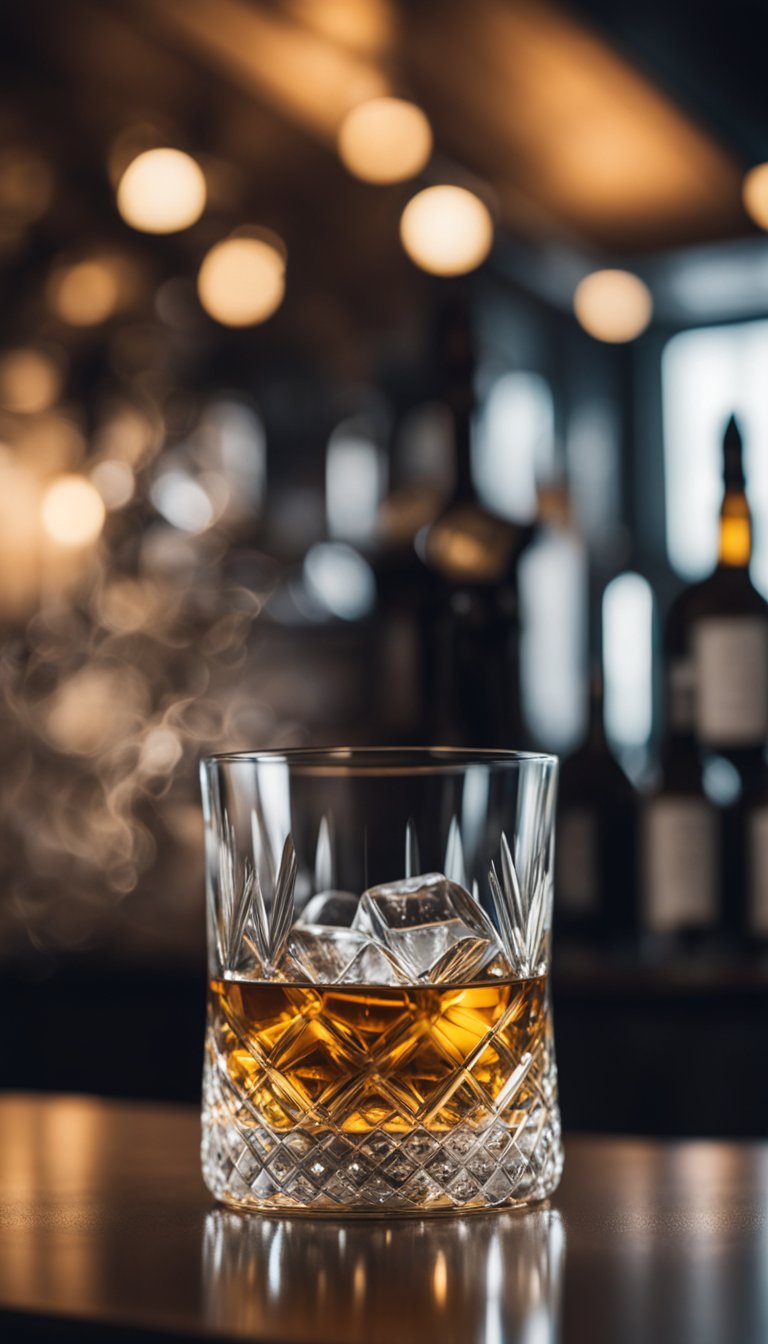
The Promising Future for EU and the UK Affirmative of Alcohol Free Spirit Market: Trends and Opportunities
As we come to the end of our exploration regarding the EU and UK alcohol-free spirit market, we turn our eyes to the future, where exciting prospects and new trends await brands in this booming industry.
Emerging trends in the alcohol-free Spirit Market
1. Diverse Flavor Profiles
In the years ahead it is likely that we will see an ever-wider array of flavor profiles to come onto the market. People’s palates are becoming more adventurous, and brands are responding with new botanical blends such as exotic fruit infusions also aromatic spices.
2. Premiumization
As the trend towards premiumization transformed the industry of alcoholic spirits as it did in the alcoholic spirits industry, we are expecting a similar trend in the alcohol free sector. Brands will invest in top-quality materials and production methods and will provide consumers with a superior experience.
3. Sustainability as an International Standard
Sustainability is no longer the sole selling point for a brand, but an expectation that is standard. Companies that focus on eco-friendly practices whether it’s sourcing ingredients responsibly to using recyclable packaging, can gain a competitive edge.
4. Mocktail Culture
The rise of alcohol-free mocktails and cocktails is predicted to continue. These sophisticated drinks that are alcohol-free are growing in popularity in restaurants and bars creating a massive possibility for alcohol-free spirit companies to join forces with establishments.
The Opportunities on Horizons Horizon
1. International Expansion
With the EU and UK markets growing, brands should consider expanding their global presence. Markets in Asia and in the Middle East, and North America demonstrate great potential for alcohol-free spirits.
2. Health and Wellness Partnerships
Collaborations with wellness and health brands, influencers, and other events can help alcohol-free spirit brands reach health-conscious consumers looking for alternatives to alcohol-based drinks.
3. E-Commerce Dominance
The rise of e-commerce presents an excellent opportunity to make direct-to customer sales. Brands need to invest in user-friendly websites, online marketing, and ecommerce strategies to tap into this expanding market.
Summary and Recap
In this five-part series, we’ve journeyed through this EU and UK liquor-free market, uncovering the growing popularity of it in terms of branding and marketing strategies, challenges, as well as strategies to address them. We’ve also covered emerging developments and opportunities to brands in this dynamic market.
The appeal of alcohol-free spirits in Europe is evident. Consumers are seeking healthier, responsibly sourced drinks it is evident that the market will continue to flourish. Brands that encourage innovation, quality and sustainability as well as global expansion are best placed to grow in the years to be.
Thank you for joining us on this educational journey through the world of alcohol-free spirits. We hope this series offered you some useful insights and ideas for navigating this dynamic and constantly changing market.
unlocking The EU for UK and EU Alcohol-Free Spirit Market Segmentation: Act Now to Be Successful!
In a world that is changing consumer preferences quickly the market for alcohol-free spirits is undergoing a major change. This is because the EU and UK famous for their long-standing traditions of alcohol they are witnessing increasing demand for alcohol-free alternatives. To navigate this evolving landscape, businesses must to know the nuances of segmentation of markets. In the initial part of the series we will examine the basic principles of how market segmentation can be beneficial and consider its significance in relation to alcohol-free spirits.
Why Market Segmentation Is Important
Market segmentation is the process of dividing an entire market into smaller and more manageable segments depending on distinct characteristics, preferences, and behavior. It’s a device that allows businesses to tailor their products and marketing strategies to meet the specific requirements of the particular segment. Here’s the reason segmentation in marketing is important:
-
Markets that are targeted: With the help of identifying specific markets and consumer segments Businesses can then design targeted marketing campaigns that match the preferences and requirements of each segment. This leads to more efficient advertising strategies and higher conversion rates.
-
product customization: Knowing the different segments of markets helps companies develop products that are tailored to the preferences and demands for each customer group. This improves customer satisfaction but also fosters brand loyalty.
-
Performance of Resource: A market-segment strategy helps distribute resources efficiently. Instead of adopting a one-size-fits-all approach, businesses can focus their resources on those segments with the highest potential for growth and profit.
-
Strategic Advantage businesses that can effectively differentiate their market gain competitive edge. They are able to spot weaknesses within the market, design unique value propositions and differentiate themselves from rivals.
-
Customer Retention: Specialized marketing and services increase customer satisfaction which, in turn will increase the retention rate of customers. They are more likely to be advocates for your company.
The market for alcohol-free spirits is in the EU and UK
Alcohol-Free Spirits: Different Types
Before we dive into market segmentation, it is essential to be aware of the alcohol-free spirit environment in the EU as well as the UK. This market has seen a remarkable growth, with an expanding variety of alcohol-free drinks readily available. Some of the most well-known categories include:
-
Alcohol-Free Gins: Constructed in order to preserve the natural essence of traditional spirit, alcohol-free drinks offer the same flavor of botanicals, but sans alcohol. They are loved for their versatility in cocktails and as drinks on their own.
-
Alcohol-Free Whiskeys: Alcohol-free whiskeys seek to recreate the rich and smoky flavor of traditional whiskey. They are ideal for those who like the taste of whiskey, but want to stay away from alcohol.
-
Alcohol-Free Vodkas: Alcohol-free vodkas offer the clean and crisp taste of traditional vodka but without the alcohol. They can be used in a variety mocktails and mixed drinks.
-
Alcohol-Free Rums: Non-alcoholic rums capture the richness and sweetness of traditional rums, which makes them a crucial ingredient in drink recipes that do not contain alcohol.
-
Tequilas with no alcohol: These alternatives maintain the earthy, agave and floral notes found in traditional tequilas making them a delicious basis for alcohol-free margaritas as well as other cocktails.
The wide range of alcohol-free spirits indicates the industry’s commitment in meeting the diverse tastes of consumers and preferences. As the increasing demand for these products continues to grow, knowing how to segment markets becomes increasingly crucial for businesses seeking success in this ever-changing environment.
In the next chapter, we will look at how consumer preferences play a major role in alcohol-free spirit market segmentation, providing insight into the factors that cause people to select alcohol-free alternatives. Let’s get into this thrilling process of understanding market dynamics in EU and UK market for alcohol-free spirits.

Transform Your Offerings: Direct Bulk Purchases of Swedish Distillers’ Non-Alcoholic Spirits!
Understanding Consumer Preferences and the EU and the UK Alcohol-Free Spirit Market
In our last segment, we explored the foundations of market segmentation and the growing EU as well as the UK Spirits that do not contain alcohol. The second installment of our series delves deeper into how to get to the bottom of the issue consumers’ preferences. Understanding the reasons that lead consumers to choose alcohol-free spirits is essential for businesses looking to create their niche within this evolving market. Let’s embark on this journey of discovering.
A Changing Consumer Landscape Evolving Consumer Landscape
Consumer preferences are at the base of any market and the market for spirits that are alcohol-free is no different. The following facts reveal the current environment for the consumer:
Fitness and health trends
One of the main causes of the alcohol-free spirits market is the rising trend towards health and wellness. The public is becoming more mindful of their health and searching for products that can be aligned with their goals of a healthy and balanced lifestyle. Alcohol-free spirits offer a solution that allows you to indulge in the flavor and social aspect of drinking, without the adverse health implications of alcohol.
Millennial Influence
Millennials, born between 1982 and 1996, play an influential force in shaping consumer trends. Generation Y prefers experiences over possessions and is more prone to investigate healthier and new alternatives, like alcohol-free spirits. They are also a key segment for businesses to target.
Social Responsibility
Consumers, especially younger ones are increasingly mindful of their social responsibilities in their purchase decisions. They buy from brands that they consider to be environmentally-friendly, ethical and socially conscious. Spirit producers that focus on alcohol-free, sustainability and responsible production practices tend to resonate with the consumers.
Flavor Variety
The market for alcohol-free spirits has adapted to the growing demand of consumers in a variety flavors. There are many options available, including a botanical-infused whisky, a smoky alcohol free whiskey, or a tropical alcohol-free rum The variety of flavors that are available caters to a variety of taste preferences. This is a huge draw for consumers who seek something new and exciting in their beverages.
Reduction and Abstinence from Alcohol Reduction and Abstinence
To those who have reduced their consumption of alcohol or avoiding the consumption of alcohol, alcohol-free spirits provide an ideal alternative. These spirits allow drinkers to enjoy social gatherings as well as revel in the art of creating drinks without the negative effects of alcohol.
Key Considerations for Market Segmentation
Understanding the preferences of consumers is crucial for market segmentation. In order to effectively divide into the EU and UK spirits that are alcohol-free, companies should take into account the following points:
Demographics
Factors such as age and gender, income and place of residence play a large role in influencing consumer preferences. For instance, younger consumers may be more inclined to new flavors, while older people might prefer health benefits.
Lifestyle
The lifestyle of the consumer greatly influences their choices. For those who live a vigorous lifestyle, they may look for low-calorie or energy-boosting alcohol-free options, whereas others might be interested in alcohol-free spirits for relaxing nights at home.
Occasions
Different occasions call for different beverages. Businesses should consider how consumers drink alcohol-free spirits – whether to celebrate a party, social gatherings or even for personal relaxation and adjust their marketing strategies for the event.
Taste Preferences
Flavor profiles matter. Some consumers like more botanical notes to gin, and others prefer the smoky sweetness of whiskey. Segmenting the market on the preferences of consumers allows businesses to make sure they are targeting specific niches.
Values and Ethical Requirements
The consumer is increasingly willing to support brands that adhere to their beliefs. Companies that emphasize ethical sourcing, sustainability, and responsible production can attract those who value social responsibility.
By taking these variables in consideration, businesses can devise targeted marketing campaigns design products to meet particular consumer preferences as well as establish a strong position in both the EU and UK alcohol-free spirit market.
In the next segment, we will delve into the marketplace as we explore the major players and strategies that are driving its future. Stay tuned for tips on how to excel in this dynamic market.
The Art of Creating a Profitable Strategy in the EU and UK Affiliation with the market of alcohol-free spirit
Welcome to the 3rd installment of our look at the EU and UK spirits market that are alcohol-free. In previous installments we looked into trends in the market, and how consumers behave and uncovered the complex landscape which businesses have to navigate. Now, we need to determine how to create a winning strategy in the booming industry.
Understanding the Competitive Landscape
Before you begin the process of developing a strategy it’s essential to be aware of the competitive landscape. The alcohol-free spirit market is thriving and competitive and there are many players looking to capture the attention of consumers. Here are some key knowledge about the present state of competition:
Market Growth
The alcohol-free spirit market is experiencing remarkable growth, with new brands stepping into the market on a regular basis. As demand for the product continues to increase, competition has been increasing and it is essential for companies to stand out.
Established Players
A number of established companies dominate the market, and enjoy high brand recognition and loyalty. They have set the standards in quality and taste, making it challenging for newcomers who want to break through.
Niche Players
The niche players have seen success by catering to specific consumer groups or offering distinct flavour profiles. These companies often prosper by meeting unmet requirements in the market.
Crafting Your Unique Selling Proposition (USP)
To be noticed in this market, businesses must come up with a compelling Unique Selling Proposition (USP). Your USP is what differentiates you from the competition and can convince consumers to choose your non-alcoholic spirits over others. Here are some tips to think about:
Flavor Innovation
In a market driven by different tastes and preferences, innovative flavor profiles can be a game-changer. Create unique botanicals using infusion techniques, as well as natural extracts that can create unique options.
Health and Wellness Focus
In light of the health-consciousness trend that is sweeping consumers, highlighting the health benefits of your alcohol-free spirit can be an effective USP. Make sure to highlight low-calorie, sugar-free and natural ingredients.
Sustainability and ethics
Consumers increasingly support brands that emphasize environmental sustainability, ethical sourcing and a responsible production. Showcase your commitment to these ideals in your marketing and packaging.
Marketing and Branding
Effective marketing and branding is crucial. Create a distinctive brand identity that is recognizable to your intended audience and tells an engaging story. Put your money into packaging that expresses the essence of your brand.
Partnerships and Collaborations
Work with influencers, bars food establishments, and organizers to broaden your reach. Strategic partnerships allow you to introduce your products and services to a wider group of people.
targeted marketing and consumer education
Once you’ve established your USP Now it’s time to concentrate on marketing as well as consumer education. Here’s how:
Digital Marketing
Leverage the power of digital marketing to reach your desired viewers. Consider investing in search engine optimisation (SEO) which will ensure that that your website ranks well in search results. Utilize social media to interact with your audience and promote products.
Content Creation
Produce valuable content to educate customers about the advantages and potential of alcohol-free spirits. Blog posts, videos and infographics are a great way to help customers comprehend how to integrate your products into their lifestyles.
Tasting Events
Organise tasting events at restaurants, bars and events that do not require alcohol. Giving consumers the chance for a taste of your product can be a highly persuasive sales tactic.
Customer Support
Offer excellent customer support to answer questions and build trust. Customer service that is prompt and well-informed will turn potential customers into trusting advocates.
In our next article we’ll go over distribution channels and the best ways to effectively bring your products into the people’s pockets. Keep watching for tips on growing your market presence and making your alcohol-free spirits available to a larger audience.
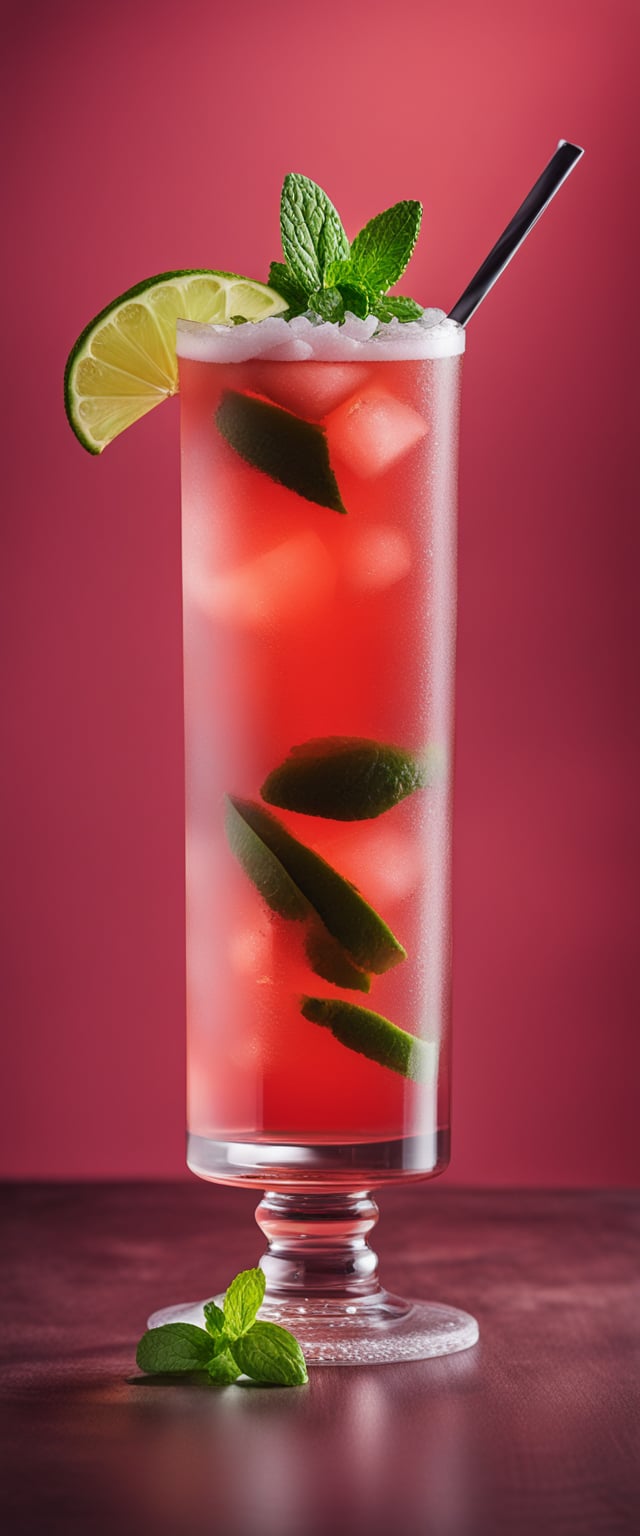
How to navigate distribution channels: Getting Your Alcohol-Free Spirits into the hands of consumers
In our travels through this EU and UK market for alcohol-free spirits we’ve studied market segmentation and preferences of consumers, and the art of crafting compelling Unique Selling Proposition (USP). The next step is to turn our attention to an equally vital aspect of success: distribution channels. How can you successfully ensure that your alcohol-free spirits are in the hands of eager consumers? Let’s start by diving in.
Understanding Distribution Dynamics
Before developing your distribution strategy it is crucial to comprehend the nuances of the alcohol-free spirit market. Here are the key facts about the current distribution landscape:
Traditional Retail
Traditional retail channels like supermarkets and liquor stores, have been traditionally the primary distribution channels for alcoholic beverages. However, the market changes as consumers search for healthier alternatives.
Online Retail
E-commerce has revolutionized distribution of spirits that are alcohol-free. On-line platforms let consumers explore a multitude of options, making it a great avenue for brands that are just beginning to emerge.
Specialty Stores
Specialty stores catering to consumers who are healthy or seeking unique products have become invaluable distribution partners. Take into consideration partnering up with these retailers to tap into special markets.
Restaurants and bars
Restaurants and bars have a key role to play in introducing customers to new spirits that are alcohol-free. Establish partnerships with establishments so that they can incorporate your product on their menus.
The Art of Crafting Your Distribution Strategy
Now that you have a solid understanding of distribution dynamics Now that you know the basics, let’s design a winning distribution strategy:
Multi-Channel Approach
Look into a multi-channel distribution method to reach an even wider audience. Combine traditional retail, e-commerce, and specialty stores to increase your marketing reach.
Online Presence
Invest in a strong online presence. Create an online shop that is user-friendly with a shopping cart that customers can use to order, and learn regarding your product. Optimize your website to be search engine friendly (SEO) to increase online visibility.
E-Commerce Partnerships
Explore partnerships with major platforms for e-commerce, like Amazon or alcohol-free spirits marketplaces. These platforms have a large audience that are always looking for new products.
Wholesale Partnerships
Distribute or partner with wholesalers specialising in alcohol-free drinks. These companies have networks established and can assist you in bringing your product to more retail outlets.
Direct-to-Consumer (DTC)
Look into a Direct-toConsumer (DTC) strategy, in which you market your alcohol-free spirits directly to the consumer through your website. DTC lets you earn higher profitability and stronger customer relationships.
Regulatory Compliance
The process of navigating the market for alcohol-free spirits also involves compliance with regulation requirements. Check that your products are compliant with all legal standards and that you obtain the permits and licenses required for distribution.
Consumer Education
Ensuring that consumers are aware of your products is essential to ensure a successful distribution. You can use the following strategies:
Informative Website
Create a website with specific information about the product cocktails, recipes for cocktails, and frequent concerns (FAQs). These details can aid consumers in making an informed decision.
Tasting Events
Organise tasting events at different distribution locations, allowing people to sample your alcohol free spirits. They provide hands-on learning to build brand trust.
Social Media
Use social media platforms to interact with customers and to share information about how to make use of your products.
In the next section, we will discuss the Maintaining Market Relevance
When we conclude this section on distribution channels, it’s important to stress that getting your alcohol-free spirits in the customers’ hands is just the beginning. In the next chapter we’ll examine strategies to maintain market relevance in a constant effort to meet changing demand from consumers. Keep an eye out for more insights on innovation in product design and staying in front of the competition.
Maintaining Success: Navigating EU and UK Alcohol-Free Spirit Market – Part 5
Welcome to the final installment of our comprehensive series on The EU and UK alcohol-free spirit market. In this concluding piece, we’ll discuss the most important aspects of ensuring market relevance and summarizing the key takeaways of our trip. We’re going to embark on the last leg of our journey.
Moving ahead with Innovation
The market for alcohol-free spirits is evolving being ahead of the technology is crucial. Here’s how to innovate for a more relevant market:
New Product Development
Put money into research and development to create new alcohol-free spirits which are designed to meet changing consumer preferences. Create unique flavors including ingredients, packaging, and packaging to attract attention of consumers.
Health and Wellness Focus
Highlight the health and wellness aspects of your products. Highlight nutritional benefits, natural components, and how spirit that is alcohol-free is a component of a healthy, balanced lifestyle.
Sustainable Practices
Choose sustainable production methods for your products and packaging. Green choices appeal to environmentally conscious consumers and will help set your company apart.
Branding and Marketing
Marketing and branding that is effective can be the basis of enduring performance. Consider the following strategies:
Storytelling
Tell your story with captivating content. Show the journey, your values and purpose behind the alcohol-free spirit you sell to engage with customers on a more intimate level.
Influencer Collaborations
Connect with influencers within their health and well-being, or mixology areas. Their endorsements can enhance your reach and establish credibility with targeted audiences.
User-Generated Content
Encourage consumers to be able to share their experiences and opinions about your product on social media. Content that is created by customers can help create an environment of shared experience and authenticity in your brand.
The industry is adapting to changing consumer preferences
Trends in consumer behavior are constantly evolving. For staying relevant, be on the lookout and keep up with these trends:
Wellness and Health Trends
As health-consciousness grows, align your products and services with wellness trends. You can offer low-calorie, sugar-free or functional alcohol-free spirits that meet consumer demands.
Cultural Celebrations
Make use of celebrations that celebrate culture and holidays. Cocktails and special drinks can be created that are specifically designed to capitalize on seasonal demand.
Recap of Our Journey
In this series, our team has delved into an intricate web of EU and UK the alcohol-free spirit market. Let’s recap the key takeaways from each article:
Article 1: Market Segmentation
Understanding your intended audience and segmenting the market is crucial to success. Determine the areas of interest within the alcohol-free spirit market, allowing you to tailor your product offerings effectively.
Article 2: Creating a Strong USP
Crafting a Unique Selling Proposition (USP) helps differentiate your brand. It should be clear what makes your alcohol-free spirits apart, be it the taste, ingredients, or environmental sustainability.
Article 3″Distribution” Channels
The ability to distribute your product effectively is essential. Embrace a multi-channel approach, look into e-commerce and think about partnerships to reach an even greater audience.
4. Regulatory Compliance as well as Consumer Education
Compliance with regulations is non-negotiable. Instruct consumers about your products by providing informative websites, tastings, and engagement on social media.
Article 5: Maintaining Success
Innovation along with branding and adaption remain the keys to success. Stay on top of the latest consumer fashions, focus on wellness and celebrate moments of culture.
Conclusion
In the fast-paced EU and UK alcohol-free spirit market, continued success requires constant innovation. From the segmentation of markets to distribution avenues, regulatory compliance, and innovation The essential aspects of thriving in this sector.
Remember, success is not always a static event; it’s more of a journey of continuous improvement and a constant process of adaptation. By staying agile, consumer-focused, and innovative You can navigate the alcohol-free spirits market with success.
Thank you for coming along through this trip. We hope these insights empower the consumer to make well-informed choices to excel in this booming market. Here’s to continued success at the forefront of alcohol free spirits!